
Search Green Bay Death Index
Green Bay Death Index research starts with Brown County, not with a separate city office. That matters because Green Bay is the county seat, and the county register keeps the older death record path that researchers still need for city deaths from the nineteenth century. Death records in this line reach back to 1834, which puts Green Bay among the earliest Wisconsin places to check. When you have a name, a year, or even a rough family clue, the best route is to sort the county record trail first, then move to local library tools and state help if the date falls later.
Green Bay Death Index Sources
The Brown County Register of Deeds is the first office to know for a Green Bay Death Index search. The office maintains death records for Green Bay and all of Brown County, and the record run reaches back to 1834. That long span makes the county file useful for both early family history and newer record requests that still need a local office answer. Because the county seat is Green Bay, the search stays close to the place where the record trail was created and kept.
The Green Bay Public Library and Brown County Library site is the best city library companion for the same search. It points researchers to local history and genealogy tools, including newspapers and historical collections, which can help when a death record needs a second clue before you ask for a copy. A family story may mention a street, a church, or a burial place, and those local sources can turn a broad search into a much tighter one.
The Wisconsin Historical Society's Brown County record page confirms the pre-1907 county run. FamilySearch also gives a useful city-level bridge through its Brown County genealogy guide, which can help when a surname repeats across several branches or when a city clue needs a wider county frame.
The Brown County Register of Deeds page at browncountywi.gov/departments/register-of-deeds/ shows the local office path behind the image below.
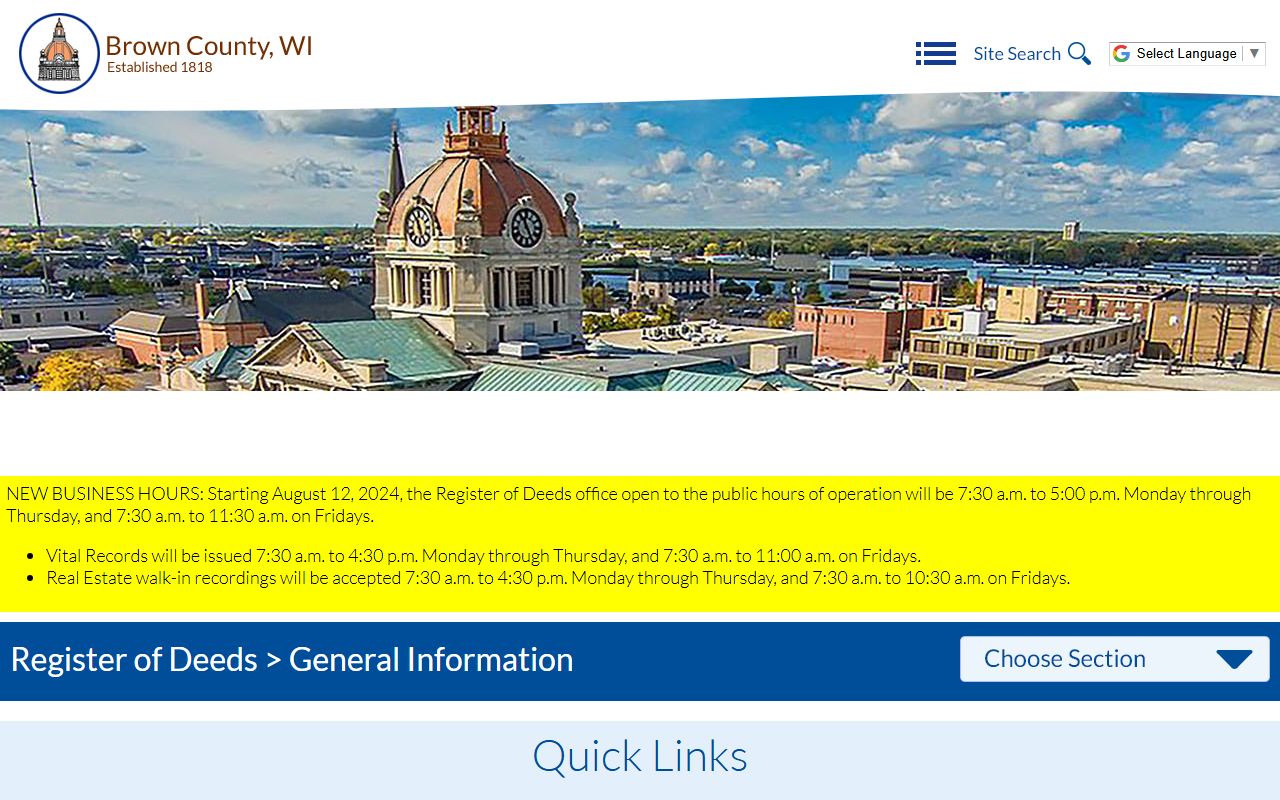
That office view fits Green Bay because city deaths still follow the Brown County record trail when you need a local certificate or a historical copy check.
The Brown County Library page at browncountylibrary.org gives the city research lane behind the second image below.

That image matters because local library work often fills the gap between a family memory and the exact death record entry.
Green Bay Death Index Office
Green Bay does not use a separate city vital-records office for this search the way Milwaukee does. Instead, the Brown County Register of Deeds handles the county and city record trail. That means the office is still local enough to matter, but broad enough to cover Green Bay deaths across many neighborhoods and time periods. If the death happened in the city, the register office is the place to start before you look elsewhere.
Certified copies come from the county office, and that is important when the record needs to support estate work, family files, or a verified line in a genealogy project. The county page is also the fastest way to confirm whether the death belongs in the local book or whether you have moved beyond the county period. For Green Bay, that local check is often faster than jumping straight to a state request.
The county register is even more useful when a name is common. Green Bay has long family lines, immigrant surnames, and repeated given names, so a death clue may need a place or year to anchor it. A street name, parish note, or burial reference can be the difference between a quick match and a long search.
The Brown County Register of Deeds link at browncountywi.gov/departments/register-of-deeds/ is the office reference that should stay open while you compare the city and county clues.
Green Bay Death Index Before 1907
For Green Bay Death Index work, the pre-1907 line is the key boundary. County death records date back to 1834, and the Brown County record set stays local before the statewide split in 1907. That makes the historical society page a strong check when you want to place an old city death in the right record era. If the death is from the nineteenth century, the county trail is the first place to compare against the family clue.
The Wisconsin Historical Society Brown County page helps confirm that older record span. It is useful when a city death appears in a cemetery note, a church register, or a newspaper line without a full certificate. The historical society can help show that the name belongs in the county-era record path before you spend time on a later state search.
FamilySearch adds another layer through the Brown County genealogy guide. That page is good for township names, surname variants, and local family context. A Green Bay death may be easier to spot once you know which branch of the family used the same name or which neighborhood the family lived in when the record was made.
The Wisconsin Historical Society pre-1907 index gives a visual marker for the older city and county record trail.
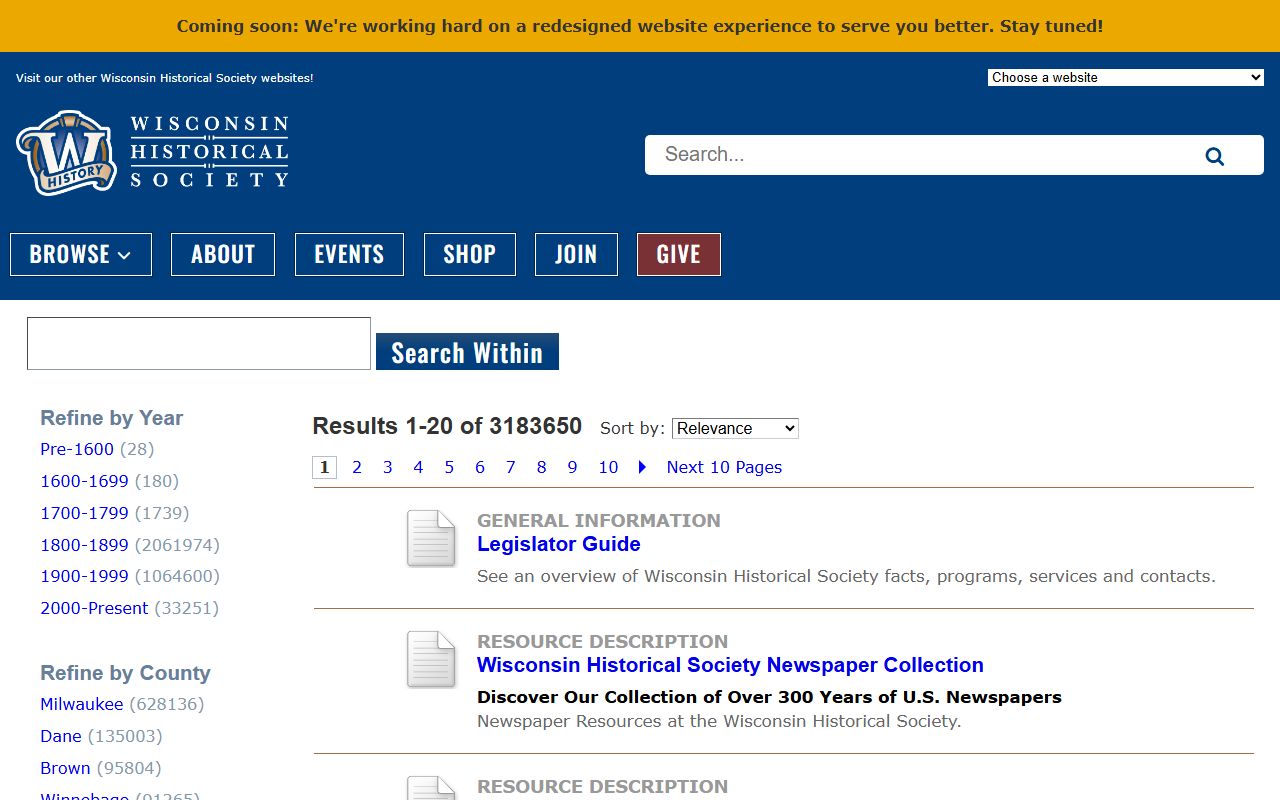
That fallback image matches the pre-1907 turn and helps show where the local Green Bay trail ends and the wider Wisconsin record world begins.
Note: Green Bay deaths before October 1, 1907 still belong in the county and historical record path first, even when the final copy later comes from a different office.
Green Bay Death Index Help
The Green Bay Public Library can add detail when a death record is hard to pin down. Local newspapers, historical collections, and genealogy tools can give you the extra place clue or spelling clue you need before you request a copy. That is especially useful for Green Bay because older family lines may appear in the city record trail, a parish source, and a county index all at once.
The Wisconsin Historical Society and the Brown County Library page work well together for that kind of search. One confirms the older county record run, and the other gives you city research tools that can explain why a name appears in one source and not another. When a record is thin, that combination often saves time and keeps the request aimed at the right office.
If the record is later, the county trail still helps you narrow the date before you move into state records. The Wisconsin DHS Vital Records page handles the later certificate side, while the Library of Congress Wisconsin guide gives a plain view of the county and state split. Green Bay searches go faster when those lines stay clear.
The Brown County Library image below reinforces the local research side of the search.
That image is a good reminder that a city death search often improves when you pair the county file with a local history source before you ask for the copy.
Green Bay Death Index History
Green Bay has one of the oldest death record lines in Wisconsin, with county records reaching back to 1834. That long run gives the city search more depth than many Wisconsin places, but it also means the records are spread across a long timeline. A Green Bay Death Index search works best when you sort the year first, then decide whether the county office, the historical society, or the state path is the right next stop.
Because Brown County is the seat and record center, Green Bay deaths tend to stay tied to the same local office even when the family lived in several parts of the city. That is useful for researchers who start with a burial note or a newspaper clipping. The county register can still point the search in the right direction, and the library can help fill the gap when the exact date is not clear.
The city history also explains why the term Death Index matters here. It is not just a name list. It is a map of how Green Bay records were kept, how Brown County handled the city file, and when the state took over the later certificate era. If you keep that order in mind, the search stays clean and the office choice stays simple.
Use the county register, the library, and the historical society together when the clue is vague. That combination gives Green Bay Death Index research the best chance of finding the right line the first time.