
Search Calumet County Death Index
Calumet County Death Index searches begin with a county record set that stretches back to 1856, so the Register of Deeds remains the first stop for older local deaths and certified copies. Calumet County was established in 1836 near Lake Winnebago, which gives the county a longer governmental history than the death records themselves. That is useful because a search may need both a county office and a state reference point. If you are trying to place a death in Calumet County, start with the courthouse record path in Chilton and keep the 1907 state split in mind.
Calumet County Death Index Overview
Calumet County Death Index Office
The Calumet County Register of Deeds maintains the county's vital records and says death records date back to 1856. The office is at the Calumet County Courthouse in Chilton, and requests can be made in person or by mail. That makes it the first office to use when you need a county-level Calumet County Death Index entry, a certified copy, or help deciding whether a death should be searched as a county record or a state record.
Because Calumet County was established in 1836 and sits near Lake Winnebago, the local government pages can also help place the office in a broader county context. The office follows state guidelines for documentation and fees, so a request is usually smoother when you know the exact name, approximate year, and reason you need the copy. For older records, the county file remains the most direct path until you reach the October 1, 1907 state cutoff.
The register of deeds page gives the clearest visual reminder of the county office that handles local death records.
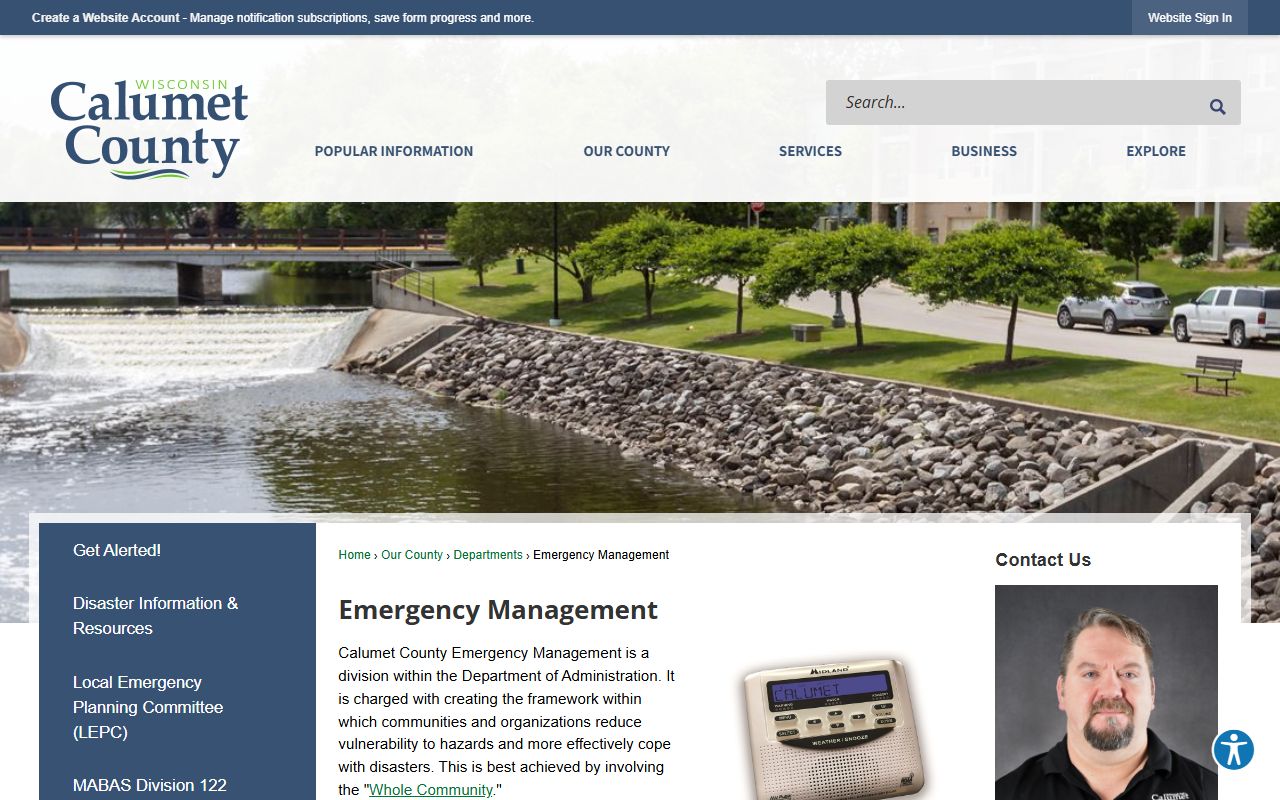
That page is the best first stop when you want a Calumet County death record from the courthouse file rather than the state system.
Calumet County Death Index and State Rules
Wisconsin's death-record system changed on October 1, 1907, so Calumet County Death Index research always starts with the date. Before that cutoff, the county keeps the local record path. After that cutoff, the Wisconsin DHS Vital Records Office becomes the main source for a death certificate or other state-held copy. That split is simple, but it matters because the wrong date range sends you to the wrong office.
The state also offers in-person genealogy research by appointment, which can help when you are sorting out a Calumet County death that sits close to the 1907 divide or when you need older research guidance. Wisconsin vital-record practice is governed by Wisconsin Statutes Chapter 69, and the certified-copy rules are what control who can receive a copy and how it is issued. For online ordering, VitalChek is the state-approved route many requesters use for later records.
For a Calumet County Death Index search, the practical rule is to keep the office tied to the date. County records fit the older deaths, while state records handle the later ones. That saves time, especially when a family story gives you the death place but not the year. Once the year is clear, the request path becomes much easier to choose.
The DHS certified copy guidance is useful here because it explains the state's eligibility and fee structure in one place. The Library of Congress Wisconsin guide is also worth keeping close because it restates the county-versus-state split in plain terms. Those two state references help when a Calumet County Death Index search needs to move from a historical lead into an actual record order.
Calumet County Death Index Search Tips
Calumet County's early settlement history makes local clues especially useful. The Wisconsin Historical Society notes that pre-1907 Calumet County deaths begin in 1856, and that the county saw significant early immigrant settlement. That means church records, cemetery notes, and family names with immigrant spellings can matter more than in a newer county. The Society's pre-1907 vital records index is a useful cross-check when you want to compare the county file with the historical index.
FamilySearch is helpful here too, but it works best as a guide rather than the final answer. The Calumet County guide can point you toward vital records context and other family-history clues that may help you identify the right person before you request a copy. That is especially useful when a surname is common or when the spelling has shifted over time.
Before you send a request, gather:
- Full legal name and any spelling variations
- Approximate year or narrow date range
- Town, church, cemetery, or household clue
- Maiden name, spouse name, or family relationship
- Any evidence that the death was recorded outside Calumet County
Those details make a Calumet County Death Index search much more precise. They also help you decide whether to stay with the county office, move to the state office, or check a historical index first. In a county with early immigrant settlement, a careful search is usually more effective than a broad one.
It also helps to keep local institutions in mind when the first courthouse search is thin. In counties with strong parish and cemetery traditions, a church or burial clue can help separate people with the same surname and guide the office toward the right entry. That kind of place-based detail is often what makes a careful Calumet County Death Index request strong enough to succeed on the first pass.
Calumet County Death Index History
Calumet County was established in 1836, and that long county history gives the local records a deep foundation. Death records date back to 1856, which means the Calumet County Death Index covers a substantial stretch of nineteenth-century local life before the state system began. Researchers working with early families often find that the county register, the historical society index, and church or cemetery records all have to be compared before the story is complete.
The county government portal is a useful companion page because it ties the records office to the wider county organization.
That portal can help you confirm general county services and also reminds you that Calumet's name comes from the French word for a Native American peace pipe, which is a small but useful reminder of the county's historical identity.
That historical identity matters for Death Index work because place names, immigration patterns, and local settlement can shape where a record was created. The county's early immigrant settlement means a death may be tied to parish records, burial registers, or family papers as much as to the courthouse file. A strong Calumet County Death Index search uses that context instead of treating the record as a stand-alone entry.
Calumet County's position near Lake Winnebago adds one more practical clue. Families could move between nearby communities while still using the same broad local network of churches, cemeteries, and county offices. If a name does not show up where you first expect it, widen the search carefully but keep the county timeline fixed. In Calumet County, that balance between local detail and county-level timing is often what turns a near miss into the right death record.