
Find Chippewa County Death Index
Chippewa County Death Index searches usually begin at the Register of Deeds, because that office keeps the older county death records and can help you narrow a date before you ask for a copy. Chippewa County death records reach back to 1855, which gives you a long local trail before the state took over in 1907. If your family story connects to the Chippewa River, a lumber camp, or another river town, the local index can point to the right name faster than a broad statewide search. Start with the county office, then compare the historical index and the county history clues.
Chippewa County Overview
Chippewa County Death Index Sources
The Chippewa County Register of Deeds keeps county vital records and says death records date back to 1855. The office is at the Chippewa County Courthouse in Chippewa Falls, and requests can go in person, by mail, or online through approved vendors. That makes the office the first stop when you need a Chippewa County Death Index lookup, a family date, or a certified copy path for an older death record.
The Chippewa County government portal adds local service context. It is useful when you want the county contact path, need to confirm where the Register of Deeds fits in county government, or want a general county starting point before you send a request. The portal also helps when you are tracing a death record alongside other county records, since the same local offices support broader county business.
For the historical side, the Wisconsin Historical Society Chippewa County page points to pre-1907 Chippewa County deaths that begin in 1855 and highlights strong lumbering-related collections. That matters in Chippewa County because the county was established in 1845 and named after the Chippewa River, so local record trails often connect to river travel, timber work, and settlement along the water. The Wisconsin Historical Society pre-1907 index lets you compare the county entry with the county register and widen the search if a family line moved across record sets.
The county page and the historical index work best together. One shows the office path, and the other shows how the name appears in the older record trail.
The Wisconsin Historical Society Chippewa County article is especially helpful when a Chippewa County Death Index search has to account for lumber-era families.

That image sits with the county's pre-1907 death-record history and makes it easier to compare the index with a local surname or place clue.
The Chippewa County government portal gives the broader county context that can help when a request needs a quick office check.
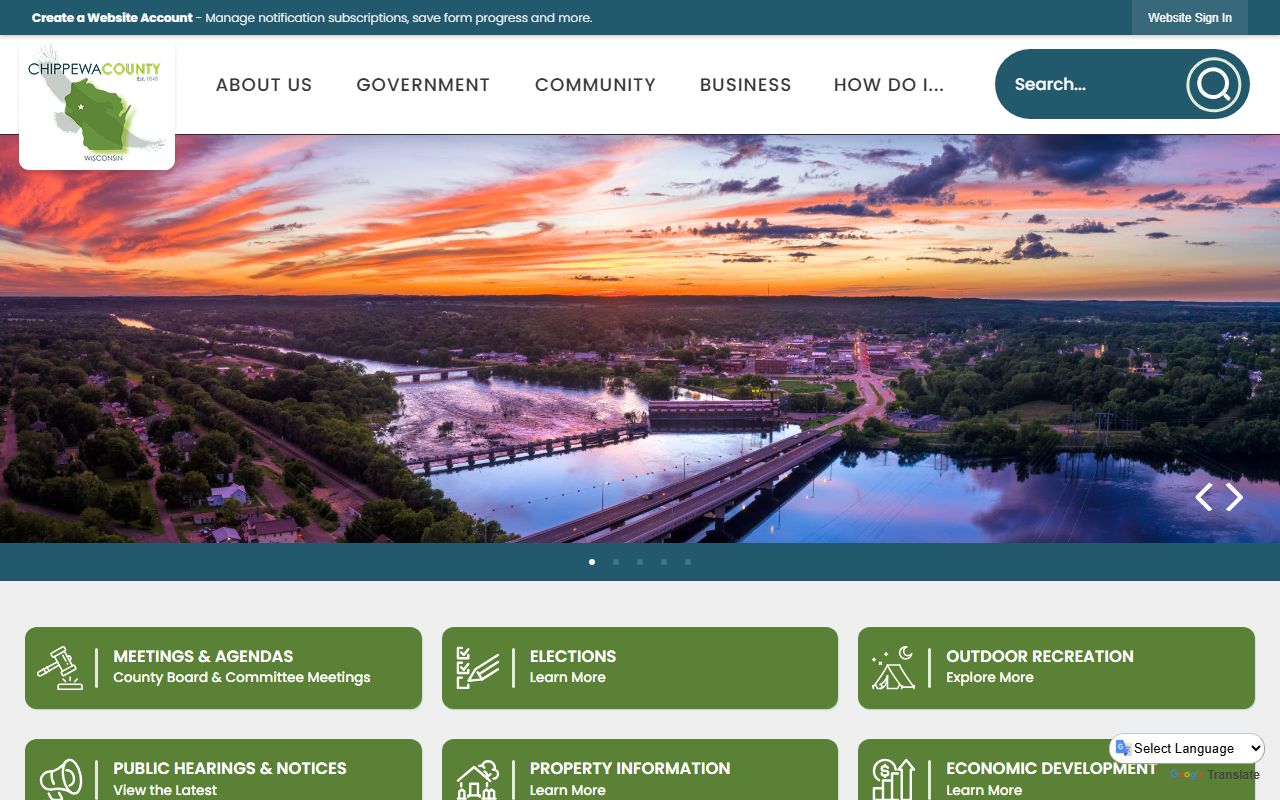
Use that portal when you want a county-level starting point before you ask the Register of Deeds for a record.
Chippewa County Death Index Search Tips
A Chippewa County Death Index search goes faster when you bring a full name, a rough year, and a second clue. River counties often keep records that point to a town, a camp, or a burial place rather than a neat modern address, so even a small note can save time. If the family worked in lumbering, milling, or transport along the Chippewa River, keep that occupation clue close. It can help sort one person from another when names repeat across a family line.
Before you search, gather these basics:
- Full name of the person
- Estimated death year or narrow date range
- Alternate spelling, nickname, or middle name
- Town, burial place, or work location tied to the family
If the county office does not give you a quick answer, compare the FamilySearch Chippewa County guide with the Wisconsin Historical Society pre-1907 index. FamilySearch can help with county context, microfilm leads, and related family records, while the historical society index is the best broad search tool for the older death run. Together, they make it easier to spot a name that was copied with a spelling change or a shortened given name.
That approach matters in Chippewa County because the record trail often moves with the lumber economy. Families changed camps, river stops, and town sites as work shifted, so the strongest clue is not always the death date alone.
Wisconsin Death Index Rules
Wisconsin moved death record filing from the county level to the state on October 1, 1907. For a Chippewa County Death Index search, that split is the main guide. Older deaths belong to the county register. Later deaths are handled by the Wisconsin DHS Vital Records Office, which files, preserves, and issues copies for the state period. The Library of Congress Wisconsin guide says the same thing in plain language and is a good quick check when you need to decide whether to search the county or the state.
If you are researching in person, the DHS genealogy page explains the appointment rules. Research visits are available Monday through Friday from 2:00 p.m. to 4:00 p.m., and each searcher must register, show identification, and complete an application. The page also notes that staff can answer questions, but they do not search for you. That makes it a good place to plan a trip when you need a later death record or want to confirm what can be viewed in the search area.
The legal framework sits in Wis. Stat. Chapter 69, and the related sections on death records, disclosure, and certified copies explain who may request a record and how copies are issued. In practice, that means a requester usually needs a direct and tangible interest for post-1907 death records, with close family members, authorized representatives, lawyers, and certain agencies fitting the rule. The DHS certified copy page keeps the current request and fee details in one place, including the standard $20 first-copy fee and $3 for each additional copy ordered at the same time. DHS also accepts mail requests and online or phone orders through VitalChek, and the Wisconsin State Law Library vital records page is a helpful legal reference when you want the rules in a broader context. The Wisconsin Register of Deeds Association is a useful directory if you need help confirming the right county office.
Chippewa County Death Index History
Chippewa County was established in 1845, and it was named after the Chippewa River. That history helps explain why local records are tied so closely to river travel and timber work. Chippewa County death records begin in 1855, which gives the county a long pre-1907 run and makes the local Register of Deeds the best starting point for older families. If your search reaches back into the mid-nineteenth century, the county record trail is often the most direct source.
The county's lumbering history matters too. The Wisconsin Historical Society notes strong lumbering-related collections, and that is more than a background note. Timber camps, river drives, and mill towns shaped where people lived and where records were created. When a Chippewa County Death Index search seems thin, the missing detail may be a place clue rather than a missing person. A worker may appear in a river settlement, a lumber camp note, or a burial reference before the full death record is obvious.
That is why the best Chippewa search uses both the county office and the historical index. The county office confirms what is on file. The historical index shows how early names were copied. Once you bring the river, the lumbering history, and the record dates together, a Chippewa County Death Index search becomes much easier to follow.