
Find Iowa County Death Index
Iowa County Death Index research starts with a short county record run and a clear local office path. Iowa County death records date back to 1871, and the Register of Deeds works from the courthouse in Dodgeville, so the county side of the search is straightforward once you know the year. The county was established in 1829 as part of Michigan Territory, which gives the local record trail a long pre-state history even though the surviving death index starts later. If you know a surname, a township, or an approximate year, the county index can narrow the search quickly and keep you pointed at the right office.
Iowa County Death Index Overview
Iowa County Death Index Office
The Iowa County Register of Deeds says death records date back to 1871 and identifies the Iowa County Courthouse in Dodgeville as the office location. Requests can be made in person, by mail, or online, which makes the local record path flexible whether you are nearby or working from another county. For an Iowa County Death Index search, that office is the most direct starting point for county-era deaths and certified copy requests.
The county government site at iowacounty.org is useful because it keeps the register, the courthouse, and other county services in one place. That matters when you need a contact path, want to confirm that vital records are still handled locally, or need to understand where the register fits within county government. When a death request turns into a broader county records question, the government site keeps the search grounded in the right office structure.
The Wisconsin Historical Society article at CS2612 includes the historical image below and confirms the county's pre-1907 death record start date.

That image is a good visual marker for the early county record era, which is where Iowa County Death Index searches usually begin when the death falls before the state cutoff.
The Iowa County government site provides a second local image that fits the same office setting.
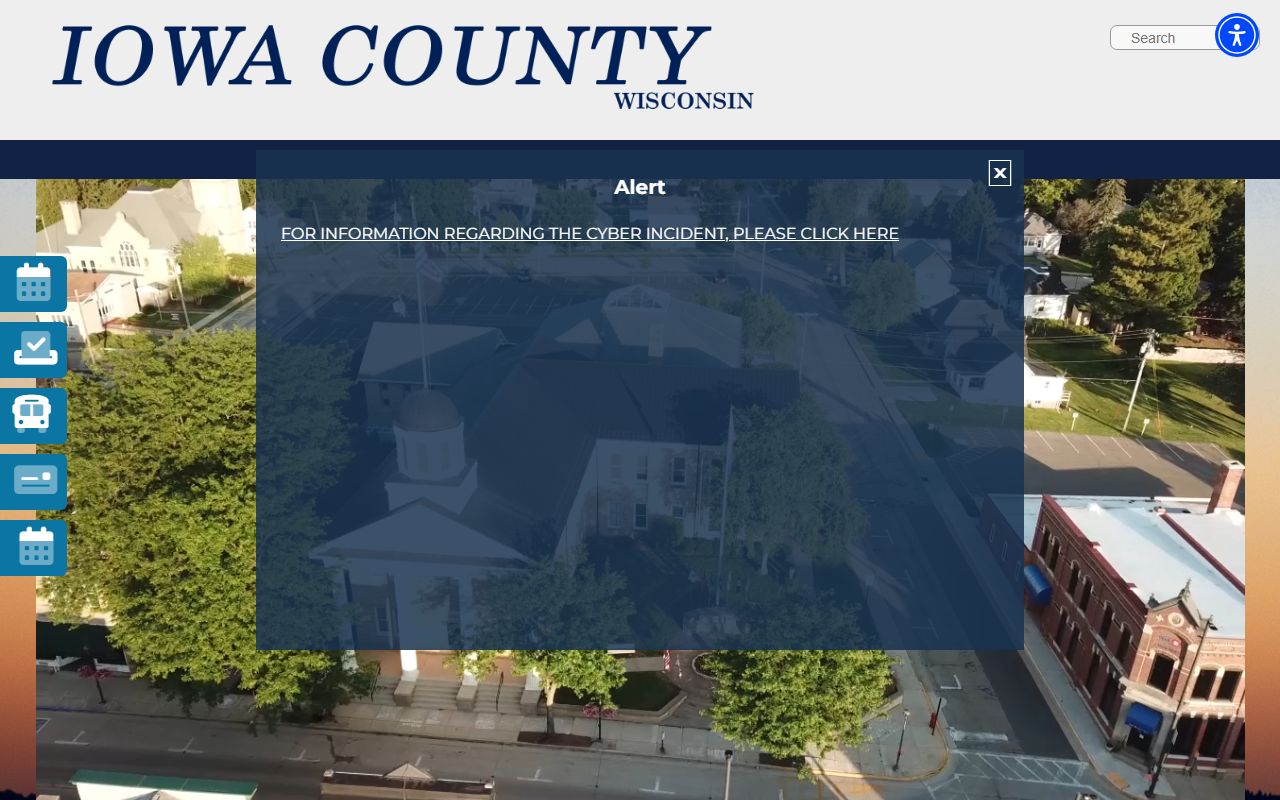
Use that county government view when you want a practical reminder that the courthouse office, not a statewide database, is the place to start for older local deaths.
Iowa County Death Index Before 1907
The Wisconsin Historical Society says pre-1907 Iowa County deaths begin in 1871, which lines up with the county register of deeds start date. That is the key historical fact for older research because it tells you the county file is not a loose pointer. It is the primary record source for the local death period before the state system took over on October 1, 1907. If your family line reaches into the nineteenth century, that county-era span can be the difference between a fast match and a broad, unhelpful search.
Older Iowa County records are easiest to use when you combine the name with a narrow year range and any place clue you already have. Town names, township references, burial places, and family farm locations can all help separate one person from another. That is especially useful in a county that has been on the map since 1829, because long-settled places tend to produce repeated surnames and overlapping family lines. A careful Iowa County Death Index search works best when the date comes first and the location clue follows close behind.
If you want a broader research map, the FamilySearch Iowa County guide can help with local place names and related record sets. It is not a substitute for the county office or the historical society, but it can help you decide whether a clue belongs in the death index, a cemetery record, or another county source. That kind of context is often enough to make an older Iowa County Death Index entry easier to identify.
Wisconsin Vital Records Rules
Wisconsin moved death record filing to the state on October 1, 1907, and that cutoff is the main divider for Iowa County Death Index work. Before the cutoff, the county register is the first place to search. After the cutoff, the Wisconsin DHS Vital Records office becomes the main source for certified copies and current ordering instructions. Keeping that split in mind prevents wasted effort when a family date falls close to the boundary.
The DHS genealogy page explains how in-person research works for later or historical records. The page covers appointment timing, identification, and the fact that staff can answer process questions but do not search for you. That distinction matters when an Iowa County Death Index lead has to move from a county clue to a state-level certificate request. It also helps you understand when you are doing research and when you are ordering a copy.
Wisconsin Statutes Chapter 69 governs the filing and release of vital records. The statute page at docs.legis.wisconsin.gov/statutes/statutes/69 is the best place to check when a record request raises an access question, while the certified copy page explains the current ordering path. If you need a mail, online, or phone route, VitalChek Wisconsin is the state-authorized vendor path. The Wisconsin Register of Deeds Association and the Wisconsin State Law Library vital records page are useful background references when a county request turns into a rules question.
Iowa County History
Iowa County was established in 1829 as part of Michigan Territory, so the county has a long government history even though the surviving death record trail begins in 1871. That early start helps explain why the county office is still the main place to look for older local deaths. If a family line reaches back into the middle of the nineteenth century, the Iowa County Death Index may be one of the few direct routes to a record that was created before Wisconsin state registration began.
The county's long record history also means the same surname may appear in several nearby sources. A family can show up in probate, land, cemetery, newspaper, or church material before the death index entry is obvious. That is why it helps to treat the county index as one part of a wider local search rather than a stand-alone answer. Once you know the county start date and the courthouse location, you can move between clues without guessing at the correct office.
For broader county context, the Iowa County government site and the Wisconsin Historical Society records portal work well together. The county site helps you confirm the office structure, while the historical society portal helps you compare older entries and state-level references. Used together, they give Iowa County Death Index research a clear path from county history to a usable record request.
Iowa County Death Index Search Tips
Start with the full name, an approximate year, and any place clue you can tie to Dodgeville, a township, or a burial site. That is the fastest way to decide whether the record belongs in the county era or the state era. If the death likely happened before October 1907, begin with the county register and the historical society article. If it happened later, move straight to Wisconsin DHS and use the county index only as a lead.
Before you contact the office, gather:
- Full legal name and any spelling variants
- Approximate year or narrow date range
- Town, township, or burial place tied to the death
- Whether you need a search lead or a certified copy
That simple checklist keeps the request focused and helps the office decide whether it can search the county books or whether you should be using the state records path. In a county with a long historical span like Iowa County, the right year range matters more than a broad request, and a little extra detail can shorten the search considerably. If a name is common, add a middle initial, spouse name, or family relation so the county office can separate one person from another.
The strongest Iowa County Death Index searches often combine the county office, the Wisconsin Historical Society, and the state guidance from DHS. That approach respects the 1871 start date, the 1907 cutoff, and the way older Wisconsin records were divided between county and state systems. When you keep that structure in view, the search stays practical instead of turning into a general Wisconsin lookup.