
Search Jackson County Death Index
Search Jackson County Death Index records to track older county deaths, confirm spellings, and find the right office for a certified copy. Jackson County was established in 1853, and the local death record trail begins in 1876, so many early requests still point to the county Register of Deeds instead of the state office. The courthouse in Black River Falls handles requests in person, by mail, or online. If you know the death year, you can move faster and avoid asking the wrong office for a record that belongs in a different time period.
Jackson County Death Index Overview
Jackson County Death Index Office
The Jackson County Register of Deeds is the main local office for Jackson County Death Index work. The office says death records date back to 1876, and it serves requests at the Jackson County Courthouse in Black River Falls. That makes it the first place to check when the person died before the state record change in 1907 or when you need a local copy that stays in county files.
Jackson County government also helps frame the public path. The county government site gives the broader service context for courthouse records, county departments, and local contact points. When a death record search begins with only a name and a rough year, the government page and the register of deeds page work together as the quickest route to the right desk.
The Jackson County Death Index is not just a list of names. It is a way to match a family clue to the office that can actually confirm it. That matters because the county kept deaths before the state record system took over, and older entries may sit only in the county set. If a search turns up the right person, the courthouse office is where you can ask for the next step without guessing.
The Wisconsin Historical Society Jackson County article shows the county's early death record span. It is one of the clearest ways to see why Jackson County Death Index research starts with 1876 and why the courthouse office remains useful for older files.

That historical trail helps you separate county-era deaths from later state records before you place a request.
The county's own public site is also worth checking when you want the direct office path. The Jackson County government home page points to the services that support local records requests and county administration.
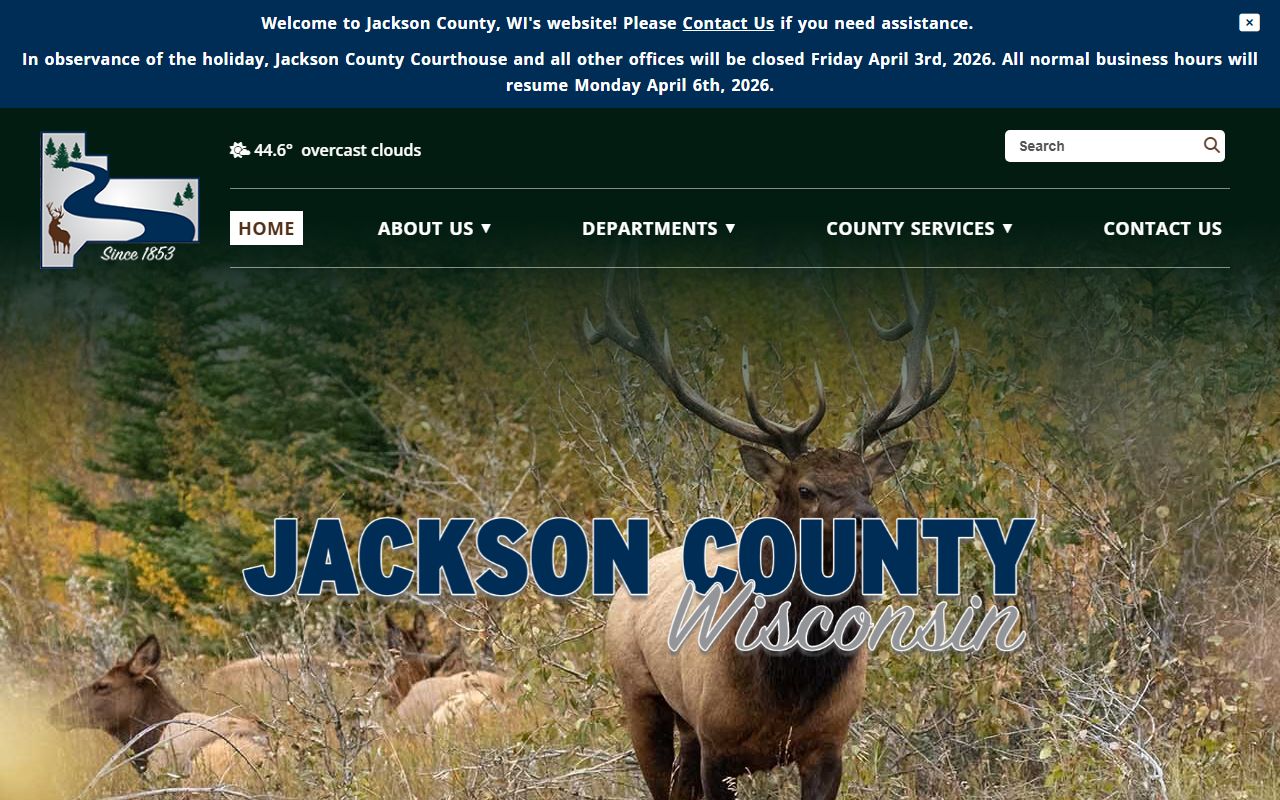
That image reflects the courthouse-side process people use when they want a local record search or a certified copy.
Jackson County Death Index Before 1907
For Jackson County Death Index entries before October 1, 1907, the county and the Wisconsin Historical Society are the key places to compare. The society's pre-1907 vital records index is the statewide search tool, and it is especially useful when you want to see whether an 1876 Jackson County death is indexed under the county name, a spouse's name, or a related family line.
Jackson County was established in 1853, but the death record run does not start right away. That gap is normal in Wisconsin research. County formation, courthouse growth, and record keeping did not always move at the same pace. If a family story points to an older death, the absence of a record in the early years may reflect the county record trail rather than a mistake in your search.
The FamilySearch Jackson County guide can help if you need a second pass through place names, neighboring counties, and family lines. It is best used as a lead tool, not a replacement for the county office or the historical society. When the name is hard to pin down, a burial clue, a township name, or a spouse's name can make the Jackson County Death Index much easier to search.
That is why older Jackson County research often works best in layers. Start with the county date range, compare the historical index, and then decide whether the courthouse or a family-history lead gives you the cleanest path to the record you want.
Jackson County Death Index and State Records
After October 1, 1907, Wisconsin DHS becomes the main place for certified copies of death records. The Wisconsin DHS Vital Records page explains that the office files, preserves, and issues records, and it gives the current request paths by mail, online through VitalChek, or by phone. When a Jackson County Death Index search reaches the state era, that is the office that usually controls the official copy.
If you want to do in-person genealogy research, the DHS genealogy page sets the rules. Searches are by appointment, and the office has specific ID and search-area requirements. That matters because the state office does not publish its records or indexes online. It is a controlled research space, not a free browsing shelf, so planning ahead saves time.
Wisconsin's legal framework also sits behind the request process. Wis. Stat. Chapter 69 governs vital records, while section 69.20 explains who has a direct and tangible interest and section 69.21 covers certified copies. The DHS certified copy page adds the practical details, including the current $20 first-copy fee and $3 for each extra copy of the same record ordered at the same time.
The Library of Congress Wisconsin vital records guide gives the same county-to-state split in a clean, research-friendly way. Jackson County Death Index work is simpler when you keep that timeline in mind. County records handle the older deaths, while DHS handles the later certificates and the rules for who may receive them.
Note: A Jackson County Death Index hit before 1907 usually sends you to the county office first, while later deaths may require a state request even when the county index shows the name.
Jackson County History and Sources
Jackson County Death Index research gets easier when you understand how the county fits into the statewide record system. The county was created in 1853, but the consistent death trail starts in 1876. That means you may need to compare a county index entry with a state-era certificate or a historical society search result before you know which copy is best. The Wisconsin Register of Deeds Association helps explain how county offices fit into that system, and the Wisconsin State Law Library is a solid place to check the legal side of vital record access.
Local and state sources work best together. The county office can confirm what it holds. The historical society can surface older names. The law library and WRDA help you understand why the request process looks the way it does. That is useful when you are working from a death notice, a cemetery clue, or a family story that does not give you an exact filing year.
When you are preparing a Jackson County Death Index request, keep the details narrow and useful. A date range is better than a broad guess, and a place name often matters as much as the surname. If the person lived near a county line, write down the burial place, township, or family tie that helped you choose Jackson County in the first place.
Use this short checklist before you call or mail the office:
- Full name and any spelling variants
- Approximate year or date of death
- Black River Falls or other place reference
- Your relationship to the decedent, if needed
- Payment method and ID for a certified copy
- Any source clue from a cemetery, obituary, or family note
Jackson County government, the Register of Deeds, and the Wisconsin Historical Society cover different parts of the same trail. If you keep those roles straight, the Jackson County Death Index becomes much easier to use.