
Search Langlade County Death Index
Langlade County Death Index searches start best with the county Register of Deeds in Antigo because Langlade County death records begin in 1868 and the county kept pre-1907 records at the county level. That gives you a local path for older deaths, family names, and burial clues before the state record system took over. The county history is a little unusual because Langlade was created in 1879 as New County and renamed in 1881, so older family references may use a name that does not match the modern county label. If you know the year or the place, the search gets much easier.
Langlade County Death Index Overview
Langlade County Death Index Sources
The Langlade County Register of Deeds is the main county office for older Langlade County death records. It is the first place to check when you need a county death copy, a record lead, or help deciding whether a death belongs in the county file or the state file. Since the county death record run begins in 1868, the office has a long local history to work from, and that makes the county-level search especially useful for nineteenth-century names. Antigo is the county seat, so the office and the courthouse setting are closely tied together in the local record trail.
The county government homepage at Langlade County government is another useful source because it keeps the register of deeds link inside the broader county structure. That matters when you are trying to confirm office names, county contacts, or the basic place clue before you order a record. Langlade County can look simple on a map, but the 1879 creation and 1881 rename mean the record trail may need one extra layer of history before the right death entry shows up. A careful search starts with the county office, then uses the county history to keep the timeline straight.
The register image at Langlade County Register of Deeds shows the local office route for county death work.
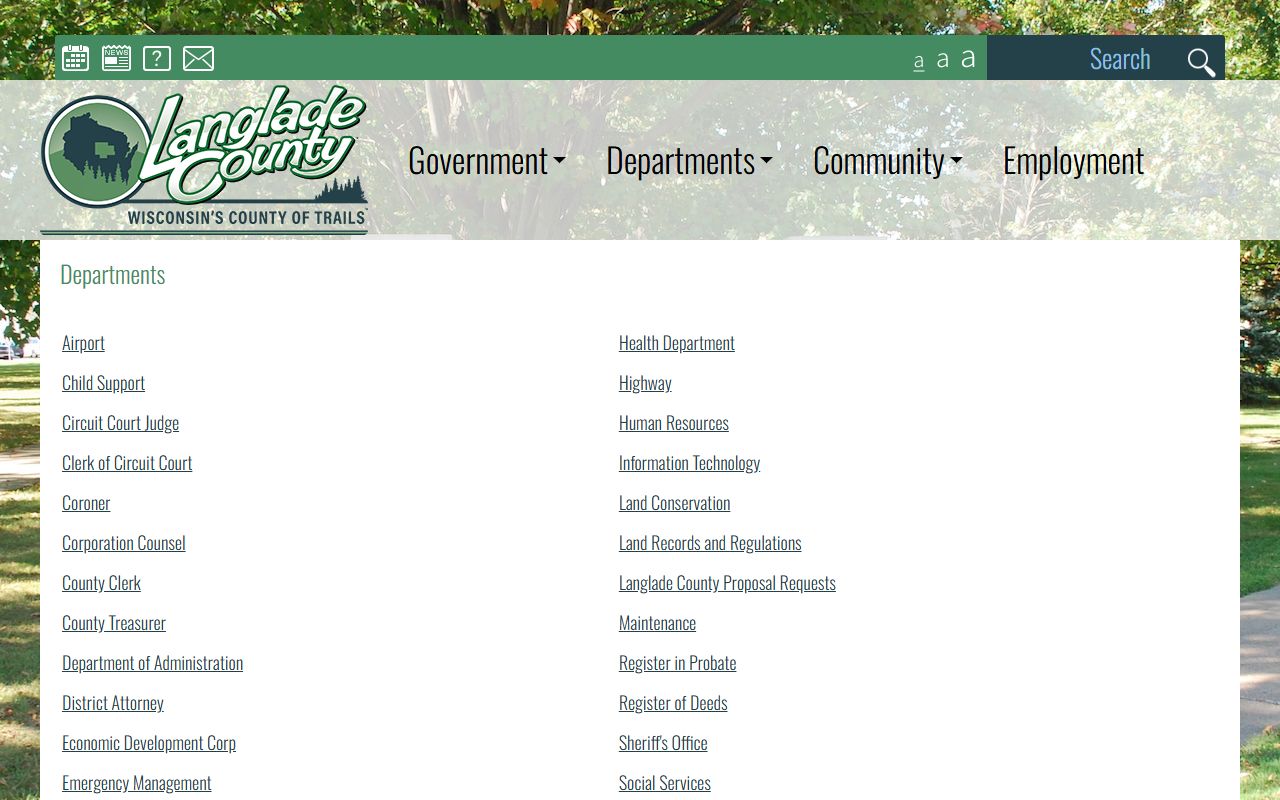
That view is a good reminder that a county death search often starts with the office closest to the courthouse, not with a statewide database.
Langlade County Death Index Before 1907
For deaths before October 1, 1907, the Langlade County Death Index stays in the county record system. That is the key date split for Wisconsin death records, and it matters because Langlade County death records begin in 1868. If the death happened in the nineteenth century, the county file is usually the best place to begin. That is especially true when the only clue is a surname, a township, or a burial place in the Antigo area. Pre-1907 county-level records can also be easier to read when you already know the family settled in the county long before the state registration change.
The Wisconsin Historical Society article at CS2621 is a useful historical anchor for older Langlade County deaths.
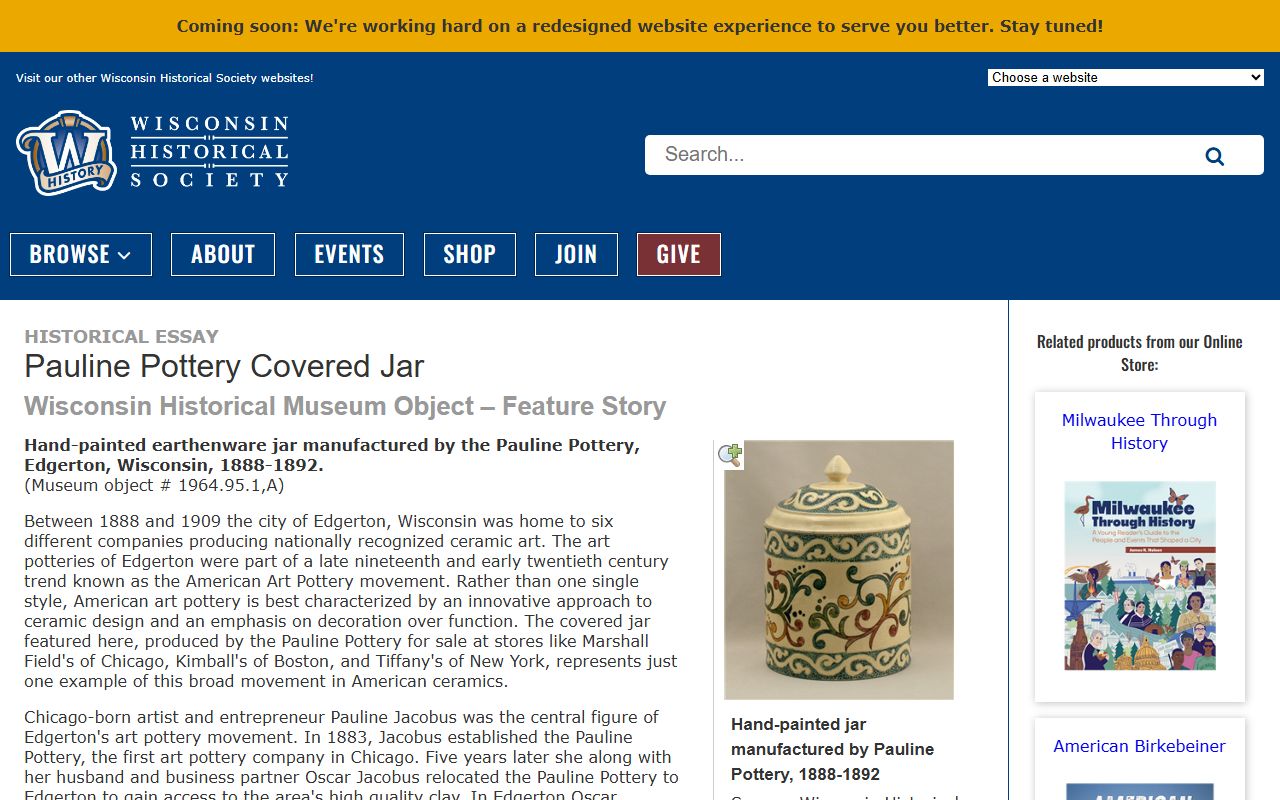
That image helps connect the county-era death trail with the statewide historical index, which can be useful when a local entry needs one more clue.
Langlade County history adds another layer to the search. The county was created in 1879 under the name New County and renamed in 1881, so older family notes may use the earlier name or a record style that reflects that short transition. That detail matters when you are searching for a death in the late nineteenth century because a burial note, deed, or family story may use the wrong county label. If the first search misses, it is worth checking whether the same family was recorded under a historical name or a nearby place clue.
The FamilySearch Langlade County guide can help sort out those older county clues before you send a request.
It is useful for family history context, related record sets, and the kind of local naming detail that can make a nineteenth-century death record easier to match.
Wisconsin Death Index Rules
Once a death falls after the October 1907 cutoff, the Wisconsin Department of Health Services becomes the main state office for a Langlade County Death Index request. The Wisconsin DHS Vital Records Office handles filing, preservation, and certified copies for the state period, and it offers requests by mail or through VitalChek online or by phone. That split is the most important line in the search. Older deaths stay with the county record trail. Later deaths move to the state system.
The DHS genealogy page is the next stop when you want in-person research. It explains that appointments are required, that searchers must register each day they enter the search area, and that proper identification is part of the process. Staff can answer questions and give an orientation, but they do not search for you. That means a Langlade County Death Index lookup works best when you already know the name, the rough year, and whether the record belongs before or after the state cutoff.
Wisconsin Statutes Chapter 69 provides the legal structure for vital records, disclosure, and certified copies. The law page at Wis. Stat. Chapter 69 is useful when you need to understand why a copy may require a direct and tangible interest or why a request needs the right office. The VitalChek Wisconsin page shows the online ordering path, and the Library of Congress Wisconsin guide gives a plain explanation of the county-to-state split.
Note: For Langlade County, a death before October 1, 1907 belongs in the county trail first, even when the state route looks quicker.
Langlade County Death Index Research Help
When a Langlade County Death Index search needs more than a single name, statewide research tools can help you narrow the path. The Wisconsin Register of Deeds Association explains how county register of deeds offices fit into Wisconsin vital records work, and the Wisconsin State Law Library gathers legal and research links that help make sense of Chapter 69 and related vital-record rules. Those pages are especially useful when you need to understand which office should answer first and why the record path changes after 1907.
The Wisconsin Historical Society records portal is another strong companion source for older Langlade County deaths. It lets you compare a county entry with a historical index, which helps when the record is buried in a narrow year range or when a surname was copied in more than one way. The county seat at Antigo can also be a helpful clue because families often tie a burial, a residence, or a funeral note to the seat town even when the record itself was filed countywide.
Before you contact any office, gather the facts that will make the search faster and cleaner.
- Full name and any spelling variants
- Approximate year or date range
- Town, township, or Antigo area clue
- Whether the death is before or after October 1, 1907
- Whether you need a research lead or a certified copy
That checklist is enough to separate a quick county match from a wider state search. In Langlade County, the most reliable order is simple: start with the county Register of Deeds for the 1868 and later county file, use the historical society for pre-1907 context, and move to DHS when the death falls after the state cutoff. That approach keeps the Langlade County Death Index search focused on the right time period and the right office.
The county government image at Langlade County government is a good second local reference when you want the broader county setting.
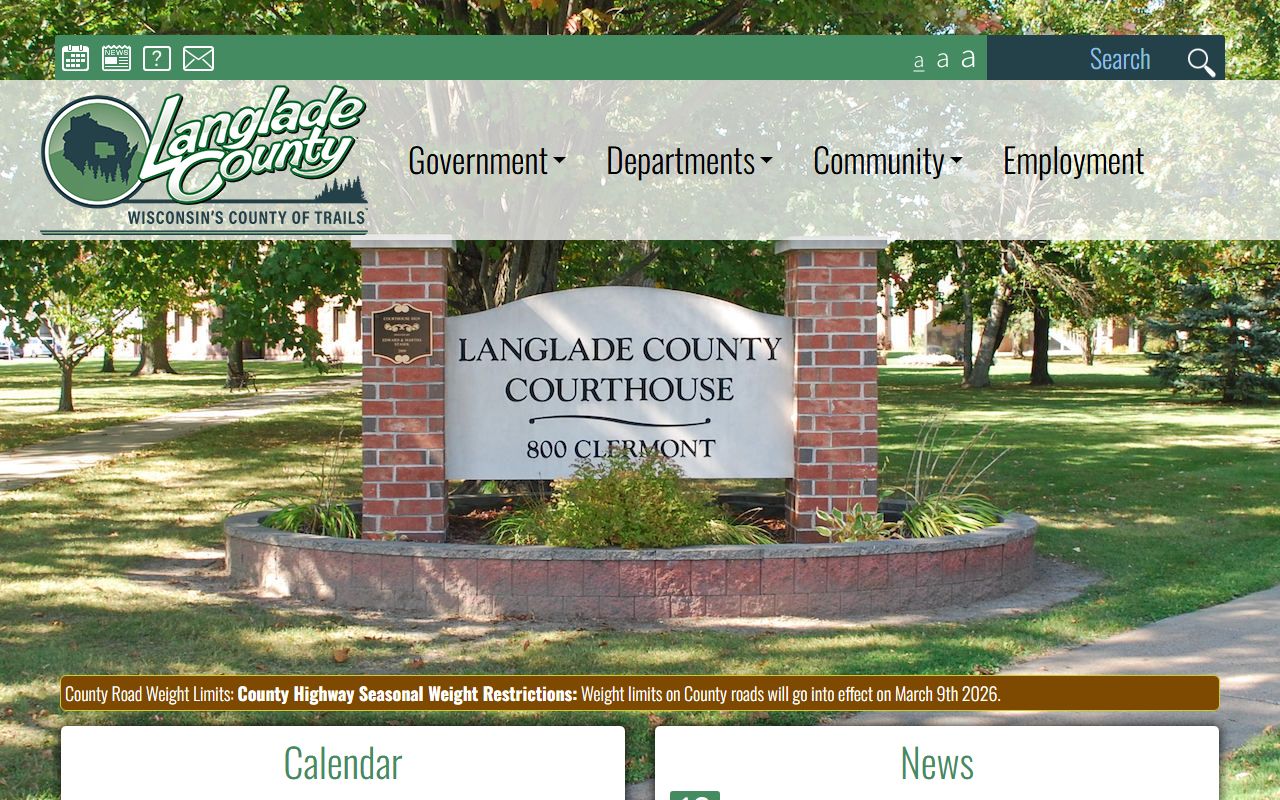
That view helps place the register of deeds inside the larger county structure, which is useful when you are sorting out office names or confirming the Antigo connection.