
Marathon County Death Index
The Marathon County Death Index is the fastest way to sort older county deaths from later state records. Marathon County death records begin in 1868, the county was established in 1850, and Wausau is the county seat, so the local trail is clear once you know the year. That matters in a county that is both large and busy. A tight name, date, and place clue can point you to the right office on the first try. If your family line reaches into the nineteenth century, start with the county side first and widen only when the date pushes you into the state system.
Marathon County Death Index Overview
Marathon County Death Index Offices
The Marathon County Register of Deeds is the main county office for Marathon County Death Index work. The office says it is the central location for vital records and land records, and it issues copies of births, deaths, marriages, and domestic partnerships. That makes it the first place to check for a county-era death, especially when you already know the person died in Marathon County and want the original county file before state record rules come into play.
For research visits, the county also offers a genealogy search appointment. That matters when an index hit needs a follow-up look at the book itself or when a name may have been entered in a way that is hard to match online. The courthouse in Wausau gives the search a clear local anchor, and that is useful when a family line runs through several small towns before it reaches the county seat.
The Wisconsin Historical Society Marathon County page includes the early county death-record image below and helps show how the county's older records fit the historical index.

That image is a quick check that the Marathon County Death Index starts in the county era, not the state era.
The Marathon County Historical Society is another strong local stop when a Marathon County Death Index search needs family or place context.
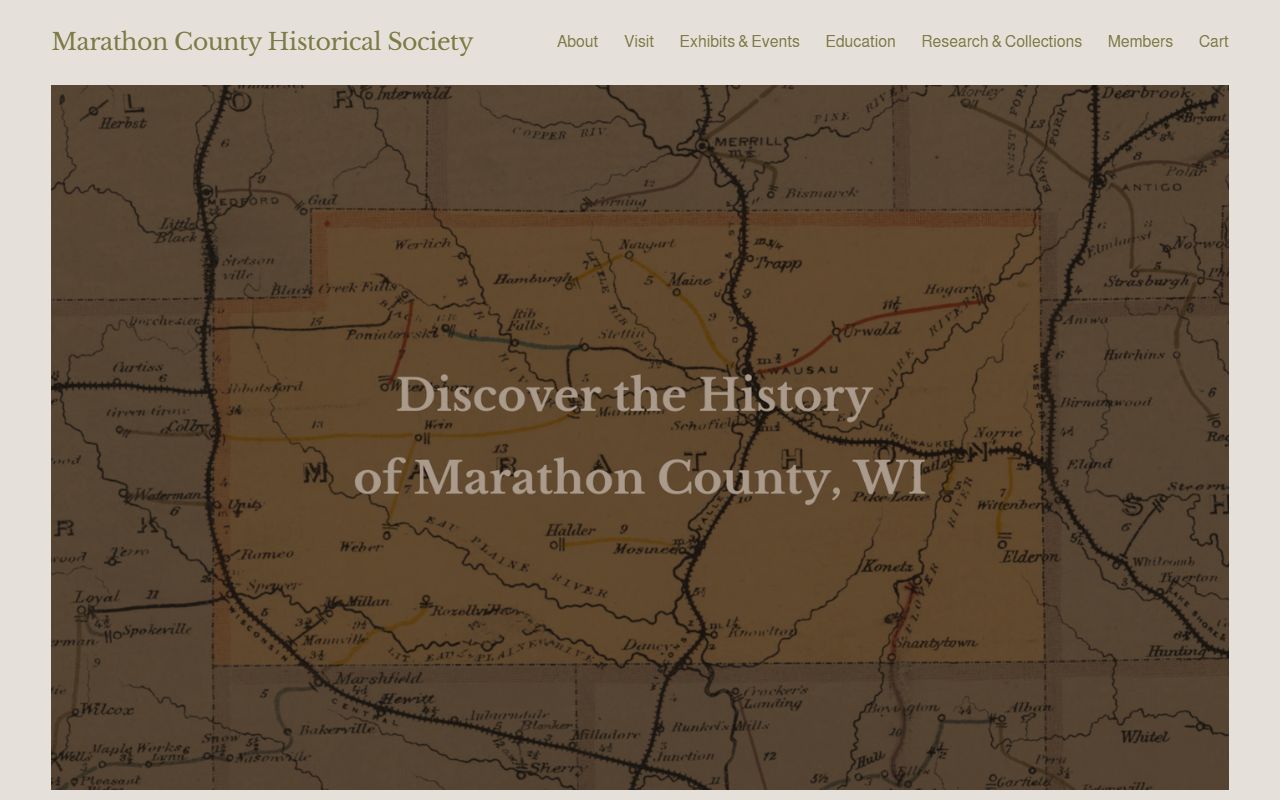
That collection helps when the index line is right but the name, farm, or township needs one more local clue.
Marathon County Death Index Before 1907
Marathon County death records begin in 1868, so the pre-1907 run stays on the county side first. That is important because Marathon is Wisconsin's largest county by land area, and a family may be tied to one town, one mill settlement, or one burial site far from Wausau. The county span is still the key number. When a search falls in the nineteenth century, use the county index, the historical society, and family clues together before you move to the state system.
The FamilySearch Marathon County guide is useful when a death is old enough to belong in the county era but you still need a broader map of local sources. It can help you sort town names, cemetery clues, and related records without losing sight of the county start date.
The Wisconsin Historical Society records portal is also worth using because it lets you compare a Marathon County death lead with broader Wisconsin historical material. That wider view is valuable when a surname was copied badly, when a place name changed, or when a burial note is the only clue you have.
Note: For Marathon County Death Index work before October 1, 1907, keep the 1868 start date and the county record limit in the same search window.
Wisconsin State Vital Records
After October 1, 1907, the Wisconsin Department of Health Services becomes the main state office for Marathon County Death Index requests. The Wisconsin DHS Vital Records page explains the current request path for death certificates and shows how later records move from the county file into the state system. That is the cleanest way to keep a post-1907 search pointed at the right office.
If you need on-site research, the DHS genealogy page explains appointment rules and how in-person searching works. That is useful when a county hit needs a closer look or when you are trying to confirm whether a later death is open to research or only available as a certified copy. The page also helps set expectations before you travel to Madison or plan a targeted lookup.
Wisconsin law still controls access. The Wisconsin Statutes Chapter 69 page sets the framework, while the VitalChek Wisconsin page gives the online ordering path. If you need a plain-language overview of the county-state split, the Library of Congress Wisconsin vital records guide is a solid companion source.
Marathon County Death Index Research Help
The Wisconsin Register of Deeds Association and the Wisconsin State Law Library vital records page help when a Marathon County Death Index search turns into a process question. They explain how county offices fit the wider vital-record system without replacing the local office itself, which is useful when you are deciding whether to request a county copy or move straight to the state side.
The Marathon County Historical Society and the county office work well together when the index line is thin. One gives you the local history frame, and the other gives you the county record path. That is a strong combination in a county where a family may have moved between Wausau, nearby villages, and rural townships over a short span of years.
When a name is common, use burial places, obituary text, or township names before you order a copy. The FamilySearch Marathon County guide can help you keep those details in order, and it pairs well with county office research when the Death Index entry is close but not yet certain.
Marathon County Death Index History
Marathon County was established in 1850, and its history helps explain why the Death Index is such a useful guide. The county grew around logging, mills, and the courthouse in Wausau, and later it became the largest county in Wisconsin by land area. A long county history does not change the record cutoff, but it does explain why family lines can be spread across many towns and townships.
That spread matters when a surname shows up in more than one place. A Marathon County death may belong to Wausau, a nearby village, or a rural town far from the county seat. The best search path stays simple: use the county era first for early deaths, then move to the state system when the date passes 1907. That keeps the Marathon County Death Index search from drifting into the wrong office.
Marathon County Death Index Search Tips
The easiest Marathon County Death Index search starts with a full name, an approximate year, and a place clue. If you already know the death was in Marathon County, keep that in front of you while you search. If the year is fuzzy, use burial places, obituaries, or family notes to narrow the range before you order anything.
Before you contact the office, gather:
- Full legal name and spelling variants
- Approximate date or year of death
- Whether the death was before or after 1907
- Town, village, township, or cemetery clue
- Whether you want a research lead or a certified copy
That small list keeps the search focused and reduces backtracking. If the record falls after the state cutoff, move to DHS instead of trying to force the county office to fill a later statewide role. If the record is early, use the county trail first and let the historical society fill the gap.
Note: A narrow year range matters more than a long name list when a Marathon County death moved between county and state record systems.