
Monroe County Death Index Search
The Monroe County Death Index starts in 1876, so it is the first place to check when you need an older county death record from western Wisconsin. The Register of Deeds works from the courthouse in Sparta, and the county government site gives another path for record guidance when a search needs more than one office. Because Monroe County keeps pre-1907 deaths at the county level, the right year matters as much as the right name. A focused search can save time and keep you from moving too quickly to the state system.
Monroe County Death Index Overview
Monroe County Death Index Sources
The Monroe County Register of Deeds is the main county office for death records. The office says death records date back to 1876, issues certified copies to eligible individuals, and keeps pre-1907 deaths at the county level. That makes the register the right first stop for an older Monroe County Death Index search, especially when you already know the name and roughly when the death happened.
The county government site is useful too because it shows the broader local services that sit around the record office. The Monroe County Government page is a good backup starting point when a search needs the office name, a county link, or another way to reach the right department. In a smaller county, that can help you move from a general search to the specific record office without guessing.
The Wisconsin Historical Society's Monroe County page gives a direct visual of the local record trail: Wisconsin Historical Society Monroe County source.

That image is a helpful local marker because it keeps the county office tied to the historical record trail, not just the current request path.
Monroe County Death Index Before 1907
For deaths before October 1, 1907, Monroe County stays at the county level. That rule matters because Monroe County was established in 1854, which gives the county a long civic history but a shorter surviving death-record run. The county seat is Sparta, so the courthouse remains the natural place to think about first when you are working with an older death entry. If the death falls before the state cutoff, the county register and the Wisconsin Historical Society are the strongest first checks.
The Wisconsin Historical Society's Monroe County page says the county's pre-1907 death records begin in 1876. That gives you a solid anchor date for older family research and helps you avoid wasting time on records that should not exist yet. If a family story points to the 1880s or 1890s, that county start date is the piece that tells you whether the search should stay in Monroe County or move elsewhere.
The state historical society image shows the same early period in a public collection: Wisconsin Historical Society records portal.
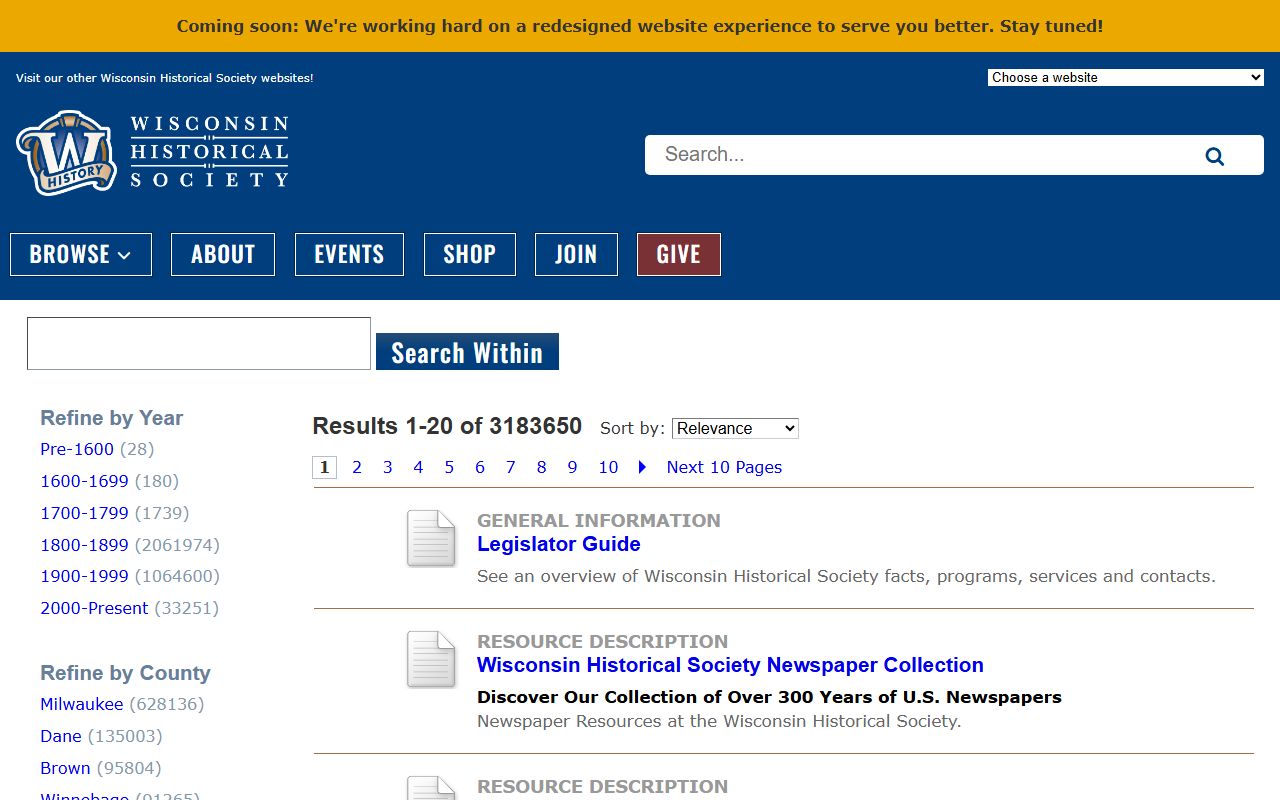
That state-level view is useful when you want to confirm that a Monroe County death belongs in the pre-1907 record set before you place a request.
Wisconsin State Records for Monroe County Death Index
After the county cutoff, the Wisconsin Department of Health Services becomes the main state source for a Monroe County Death Index request. The Wisconsin DHS Vital Records page explains that death certificates can be requested by U.S. mail, online through VitalChek, or by phone through VitalChek. That gives you a clean route when the county office has already done its part and the next step is a certified copy from the state.
The Wisconsin DHS genealogy page is the better option when you are still searching rather than ordering. It says advance appointments are required for in-person research, staff can answer questions but do not search for you, and the genealogy room uses a controlled on-site process. If you need to narrow a family line before you order, that page gives you the right research rules.
The state genealogy page also has a matching visual reminder about how on-site research works: Wisconsin DHS genealogy source.
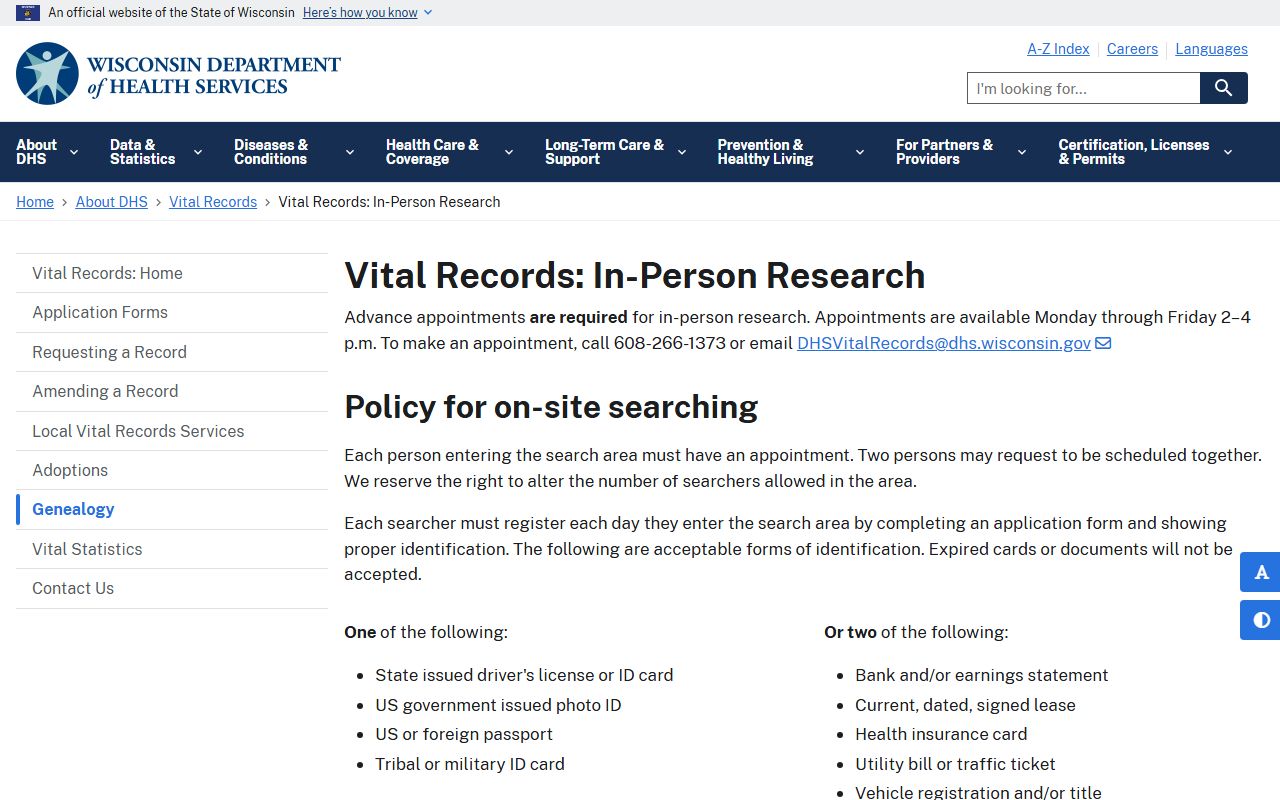
That image fits Monroe County well because it shows the research path that comes before a state order, not just the copy request itself.
Wisconsin law still governs the record path. Wisconsin Statutes Chapter 69 explains vital-record handling, and the Wisconsin State Law Library vital records page helps make the law easier to read in plain language. If you want a broader map, the Library of Congress Wisconsin vital records guide separates county and state records in a simple way that fits Monroe County searches well.
Monroe County Death Index and FamilySearch
FamilySearch is a strong companion source for Monroe County because it gives a broad genealogy map rather than a single record desk. The Monroe County genealogy page can help you sort family names, place clues, and record types before you request a copy from the county or state. That matters when the same surname shows up in more than one branch of the family or when you only know a rough date.
The Monroe County government site can serve the same purpose in a simpler form. It gives you a local government entry point if you need to trace the county office structure or find the right department to call. For a Monroe County Death Index search, that combination of county government, historical society, and FamilySearch is often enough to turn a vague death clue into a record you can actually request.
Monroe County Death Index History
Monroe County was established in 1854, and that early date gives the county a deeper history than its surviving death record trail. The county seat is Sparta, so the courthouse remains the center of the record system, even though the county is spread across many smaller communities. That history matters because the Death Index is tied to a real local office, not just a database, and the office still reflects the county's original record habits.
The 1876 start date is the line that shapes most Monroe County searches. If the death happened before that year, you will likely need another clue or another source. If it happened after that year but before October 1, 1907, the county file is still the place to start. Those two dates are the main frame for a Monroe County Death Index lookup, and they usually tell you more than the family memory does on its own.
Monroe County Death Index Search Tips
The best Monroe County Death Index search starts with a full name, a rough year, and a clear idea of whether the death belongs before or after October 1, 1907. If you know the town, cemetery, or spouse's name, keep that handy too. A smaller county does not mean every request is easy, and a few exact clues can still make the difference between a quick match and a slow search.
Before you contact the office or place a request, gather:
- Full legal name and any spelling variants
- Approximate date or year of death
- Whether the death was before or after October 1, 1907
- Sparta, a township, or another place clue tied to the record
- Whether you need a research lead or a certified copy
If the death is before the state cutoff, begin with the Monroe County Register of Deeds and the Wisconsin Historical Society. If it is later, shift to Wisconsin DHS and treat the county record as a lead rather than the final destination. That order keeps the Monroe County Death Index search lined up with the office most likely to hold the correct copy.
When the date is uncertain, use FamilySearch and county government first. A family page, local clue, or cemetery note can tighten the search enough to save a second round of requests. In Monroe County, that extra step usually pays off because the county trail is clear once you put the right year beside the right name.
Note: Monroe County records are easiest to sort when you anchor the search to 1876 and 1907 before you ask for a copy.