
Search Pepin County Death Index
Pepin County Death Index searches start with the date. Death records begin in 1877, the county was established in 1858, and the courthouse in Durand keeps the local trail clear for pre-1907 records. That means a search can stay focused once you know whether the death falls in the county era or the state era. The right office, the right year, and one good place clue usually do most of the work. If you are tracing an older family line or trying to confirm a certificate path, Pepin County gives you a clear local starting point.
Pepin County Death Index Overview
Pepin County Death Index Offices
The Pepin County Register of Deeds is the first local office to check for Pepin County Death Index work. The office maintains vital records for the county, and the research notes say death records date back to 1877. That gives you a firm start date when you are sorting an old family death from a later state certificate.
The courthouse in Durand keeps the local record trail tied to one place. That matters when a surname appears in several town notes or when a family moved between farms and small settlements. If you already know the death was in Pepin County, the register of deeds page tells you where the county keeps its side of the file.
The Pepin County government website is a good second stop because it shows the wider county contact path and the public-facing office layout. When a record question is more than a simple index lookup, the county site helps you confirm which desk should answer it.
The Pepin County Register of Deeds page also keeps the county office path visible for certified copy requests and for searches that need a local check before you move to the state system.
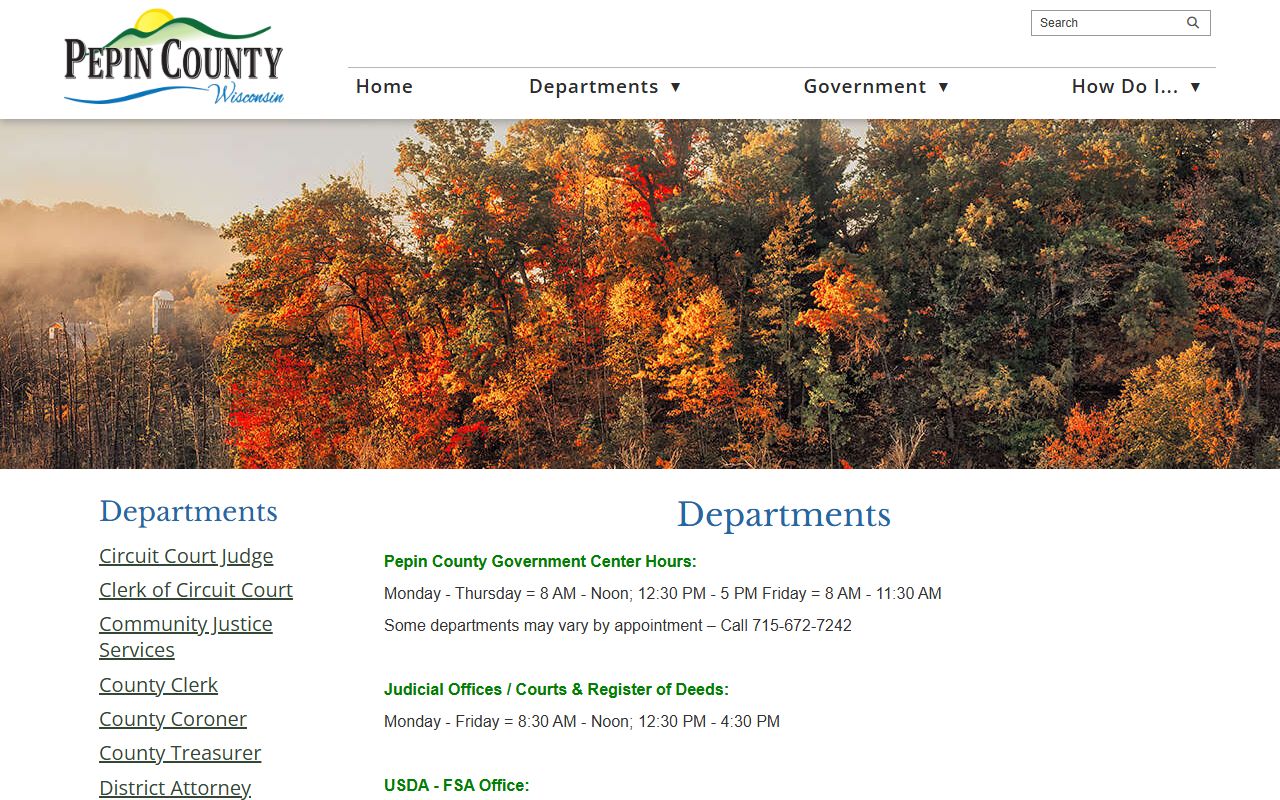
That office page confirms the county record trail and gives you the right local contact before you send a request.
The Pepin County government website helps when you want the office in the context of the wider county structure.

That county page is useful when you need general contact details or a quick path back to the courthouse offices.
Pepin County Death Index Before 1907
For early Pepin County deaths, the county record set stays in play before the state cutoff. Wisconsin moved death registration to the state on October 1, 1907, but the county level still holds the older material. That is why the 1877 start date matters. It tells you the early run is a county search first, not a state search first.
The Wisconsin Historical Society Pepin County page is the strongest historical cross-check for that early run. It points to pre-1907 vital records and helps tie a name, a place, and a year together before you order anything. If you know the death was in the nineteenth century, the historical society page gives you a clean way to test the date before you ask for a certified copy.
The FamilySearch Pepin County guide is useful when the record itself is not enough. It can help you sort family lines, town clues, and nearby record sets that support a county search. That matters in a small county where one surname can show up in several related records.
The county-level split is simple once you keep the date in view. If the death is before October 1907, the Pepin County Death Index starts with the county books and the historical index. If it is later, the state office takes over the copy path.
The Wisconsin Historical Society Pepin County page is also a good reminder that the county record run is part of a larger state history, not a separate system.
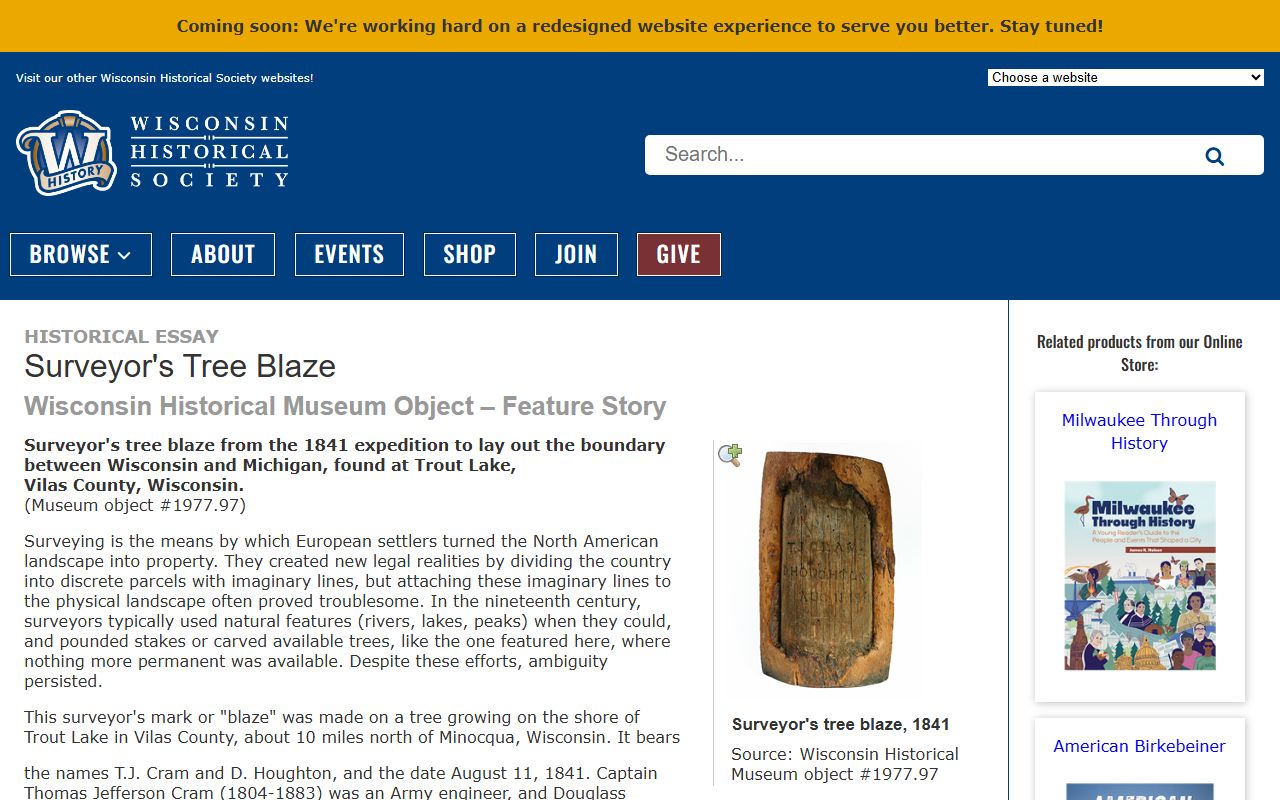
That image points back to the historical society source that often gives the first usable lead for an old county death.
Pepin County Death Index and State Records
After October 1, 1907, the Wisconsin DHS Vital Records Office becomes the main state source for later Pepin County death certificates. The office files, preserves, and issues those records, so it is the right stop when a death belongs to the statewide era rather than the county books.
The state page also points you toward the practical request path. DHS offers mail orders, online orders through VitalChek, and in-person genealogy research by appointment. The DHS genealogy page explains the appointment rules, ID requirements, and search hours. That is useful when a Pepin County Death Index search needs a closer look at the record itself.
The legal frame sits in Wisconsin Statutes Chapter 69, while the DHS certified copy page explains who can get a death certificate and what the current fee rules are. If you want a quick overview of the county-state split, the Library of Congress Wisconsin vital records guide gives the same basic rule in plain language.
The state image below shows the DHS office that handles later deaths and certified copies.
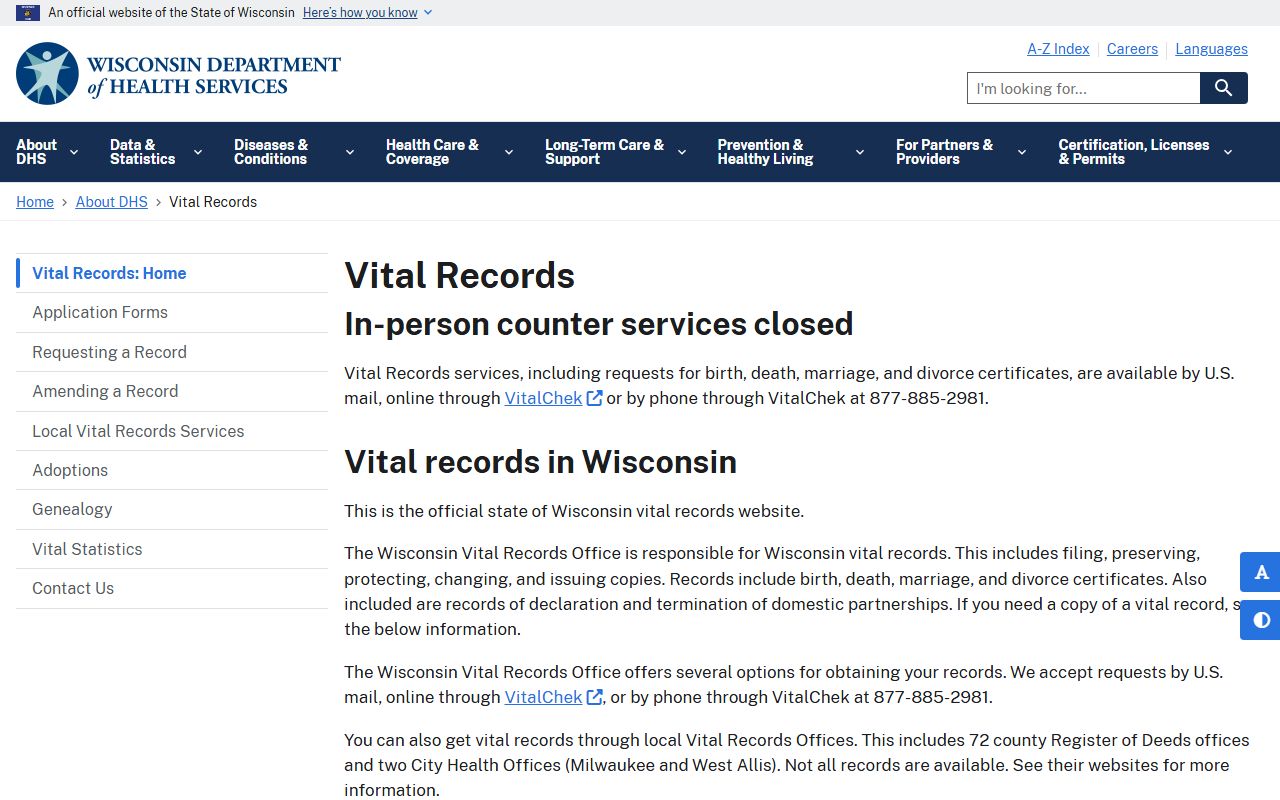
That DHS page is the correct next step once the record date moves past the county era.
Note: For Pepin County Death Index work, keep the 1877 start date and the 1907 state cutoff in the same search window.
Pepin County Death Index Research Help
When a Pepin County Death Index search stalls, the Wisconsin Historical Society records portal can help you compare the county lead with the broader pre-1907 index. That is useful when the spelling is uncertain or when a family note gives only part of the date. A county death can be easy to miss if you rely on one source only.
The Wisconsin Register of Deeds Association also gives helpful background on how county vital record offices fit into the statewide system. It is not a substitute for the Pepin County office, but it does explain why the county register is still the right local first stop for older deaths. That can save time when you are deciding whether to call the courthouse or move directly to DHS.
The Wisconsin State Law Library vital records page is another good support tool when you want the legal and research context together. It links the statutes, the county offices, and the state procedures in one place. For a county search, that background is most useful when you need to know why a record is restricted or why one office can issue a copy while another office cannot.
Pepin County Death Index History
Pepin County was established in 1858, and that history helps explain the local record trail. The county seat is Durand, which gives the Pepin County Death Index a clear courthouse anchor. That is useful in a county where the population is small enough that one township clue can make the difference between a fast match and a slow one.
The county's older records belong to the local system before 1907, so the Pepin County Death Index is really a county history tool as much as it is a certificate guide. It helps you place a death in the right book before you start worrying about statewide filing. The better the date, the better the result.
Pepin County Death Index Search Tips
Start with a full name, a rough date, and one good place clue. A Pepin County Death Index search goes faster when you know whether the death belongs in the county books or the state file. If the year is loose, use a burial note, obituary line, or family story to narrow it before you order anything.
- Full name and spelling variants
- Approximate year or date range
- Town, township, or cemetery clue
- Before or after the 1907 cutoff
- Whether you need a lead or a certified copy
If the name is common, use every small clue you have. Middle initials, maiden names, and family links can all help the office or the historical index pick the right person. That is especially true in Pepin County, where early records are best handled by matching the date and the place before you look for a copy.
Note: A tight year range matters more than a long surname list when a Pepin County Death Index search crosses the county-state line.