
Search Richland County Death Index
Richland County Death Index work starts with the county's own record trail. Richland County was established in 1842, and death records begin in 1876, so the local books cover a long stretch before state filing began in 1907. If you are searching from Richland Center or tracing a family line through rural townships, the county office is usually the first stop. The index can help you sort a county-era death from a later Wisconsin certificate, and that simple split saves time when you only have a name, a year, or a burial clue.
Richland County Death Index Overview
Richland County Death Index Sources
The Richland County Register of Deeds maintains Richland County vital records and says death records date back to 1876. The office sits at the Richland County Courthouse in Richland Center, which makes it the most direct place to ask about older county deaths and certified copies. For a Richland County Death Index search, that matters because the county file is still the right home for records before October 1907.
The Richland County Register of Deeds page is the clearest county route for a local request.

That historical society page gives the county-era record trail a clear anchor and helps you compare a local entry with the older pre-1907 index.
The Richland County government website adds the broader county service picture. It helps when you want contact context, office structure, or a quick way to confirm how the register of deeds fits into county government. That matters when a family note names Richland County but does not say which office should answer first.
The Richland County government website is useful when you want the records office in its county context.
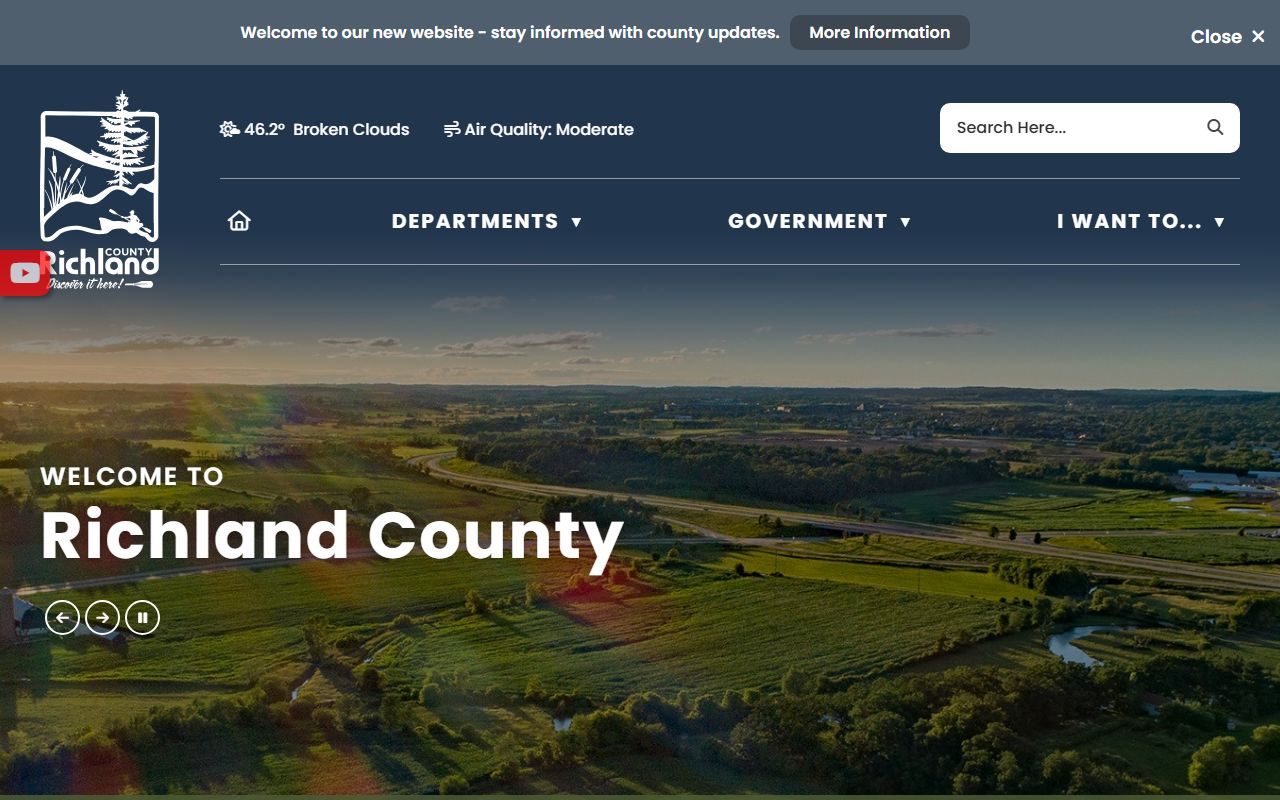
That extra context helps when a search starts with a place name, a courthouse clue, or a memory that has not yet been tied to one office.
Richland County Death Index Before 1907
The Wisconsin Historical Society Richland County page is the best statewide cross-check for older Richland County deaths. Pre-1907 death records stayed at the county level, and the historical society is where many older entries surface in indexed form before you order a copy. That makes it the right place to compare spelling, date, and place before you send a request to the courthouse.
The Wisconsin Historical Society pre-1907 index helps when the county trail needs a statewide comparison.
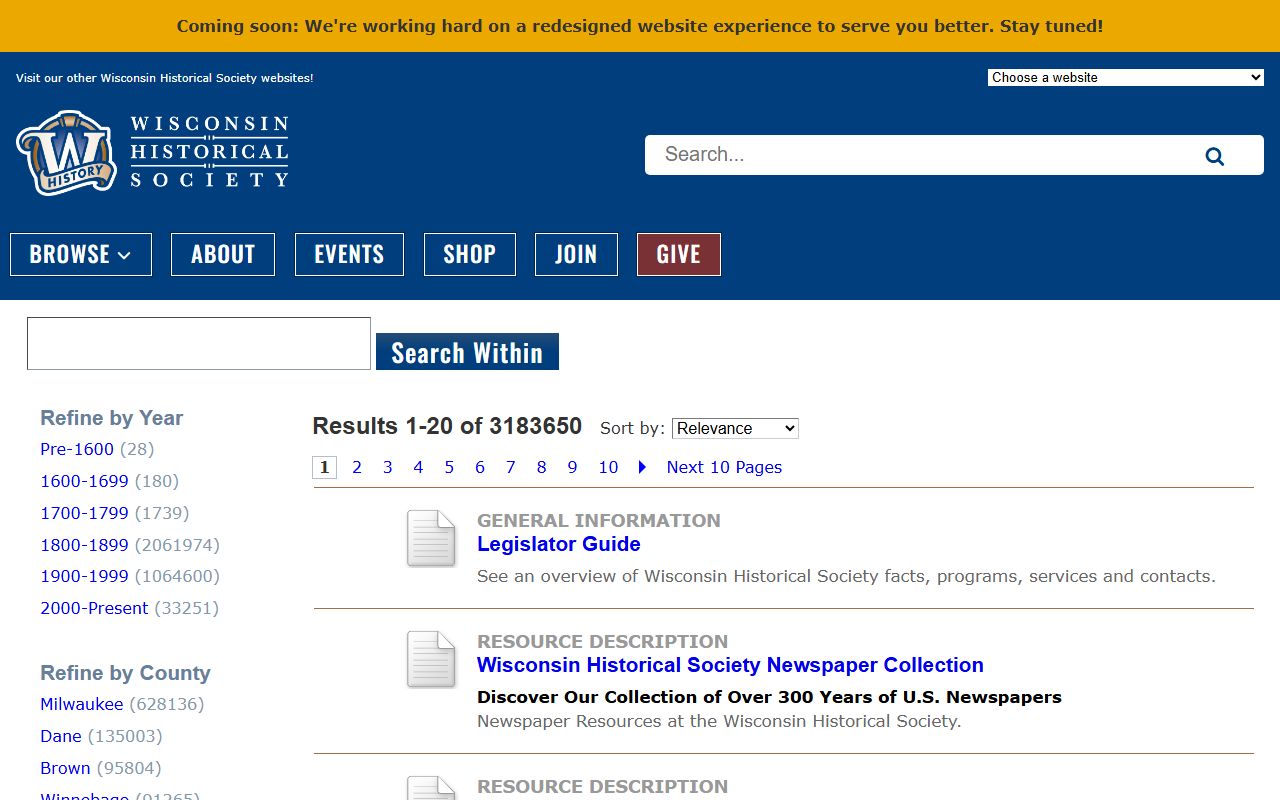
That state page keeps the older county record run in view and makes it easier to separate a Richland County death from a later Wisconsin certificate.
FamilySearch Richland County guide also helps when the county entry needs a little more local context. It can point you toward alternate spellings, township names, and nearby-county clues, which are often the details that unlock an old death record. A Richland County Death Index search works better when you pair that guide with the county office and the historical society page.
Richland County was established in 1842, and that long county history means the record trail can feel uneven. Some deaths show up first in the county books, while others need a burial note, a spouse name, or a place clue before the right entry appears. That is normal. In Richland County, the index is strongest when it is used with local geography, not instead of it.
Wisconsin Death Index Rules
After October 1, 1907, Wisconsin DHS Vital Records becomes the main source for death certificates. The state office files, preserves, and issues records, while the county office stays the better starting point for older deaths. In a Richland County Death Index search, that date line decides which office should answer first.
The DHS genealogy page explains in-person research by appointment. Searchers visit Monday through Friday from 2 to 4 p.m., register each day they enter, and show identification before they start. The same page says death records are available in person through 1971 and 50 years from today's date. That keeps the open research window narrower than the full certificate run.
Wisconsin Statutes Chapter 69 sets the legal framework for death records, disclosure, and certified copies. If you need a later record, the DHS certified copy page explains the current request path and the standard $20 first-copy fee plus $3 for each additional copy ordered at the same time. The Library of Congress Wisconsin vital records guide and the Wisconsin Register of Deeds Association page are useful companion references when you want the county and state split in plain terms.
Note: Richland County Death Index searches before 1907 usually begin at the county office, while later requests move to Wisconsin DHS.
Richland County Death Index Research Help
When a Richland County Death Index search gets stuck, the best next step is often a local clue, not a broader guess. FamilySearch Richland County guide can help with township names and related lines, and the Richland County government website can help you confirm the office path. A burial place, a widow's name, or a farm location can be enough to match the county entry to the right person.
The Wisconsin State Law Library vital records page is useful when you want the legal side of the record system explained in plain language. It helps bridge the county office, the state office, and the request rules that control a later certified copy. That is especially useful when a family wants the record for probate, inheritance, or another official purpose.
Richland County's record pattern is a good example of how Wisconsin death work should be read. The county began in 1842, the death run begins in 1876, and the state split in 1907 marks the handoff. If you keep those three points together, the Richland County Death Index becomes a practical research tool instead of a vague county search.