
Search Sheboygan County Death Index
Sheboygan County Death Index searches start with the county record trail and the year. Sheboygan County death records date back to 1854, the county was established in 1836, and the courthouse in Sheboygan still anchors the local request path. That makes the Register of Deeds the first office to check for older deaths, while the county clerk and Wisconsin state tools help when the record falls into a later period or needs extra context. If you already have a family name, an obituary clue, or a burial note, a focused search can move quickly from one source to the next without guessing at the wrong office.
Sheboygan County Death Index Overview
Sheboygan County Death Index Offices
The Sheboygan County Register of Deeds is the main office for county death records. The office maintains vital records for Sheboygan County, says death records date back to 1854, and issues certified copies to eligible requesters. Because the office is at the Sheboygan County Courthouse in Sheboygan, it is the most direct local stop for older county deaths and for searches that need a quick answer about where a record lives.
The Sheboygan County Clerk page gives a second local contact when a search turns into a record question instead of a simple copy request. That is useful in a county with a deep paper trail, because the clerk can help with additional vital records services and point you back toward the register when the record trail needs another look. If you are trying to sort a death date near the county or state divide, that extra county contact can save time.
Sheboygan County records before October 1, 1907 stay at the county level first, so the county office is still the right first stop for older entries. That local rule keeps the Sheboygan County Death Index tied to the courthouse, not to a broad statewide search. A good request starts with the full name, an approximate year, and a clear sense of whether the death belongs to the county book or the later state file.
Sheboygan County Death Index Before 1907
The Sheboygan County article at Wisconsin Historical Society confirms the county's pre-1907 death record trail and gives the cleanest historical start point for older local deaths.
That image shows the historical society route for Sheboygan County deaths that belong in the county-era record set. It is a useful checkpoint when you have a nineteenth-century name but still need to narrow the year or confirm the spelling.
The statewide pre-1907 index at Wisconsin Historical Society Records gives the broader Wisconsin layer for the same search. It matters when the county article gives you a hint but not a full match, or when you want to compare a family story against the state historical record set before ordering a copy.
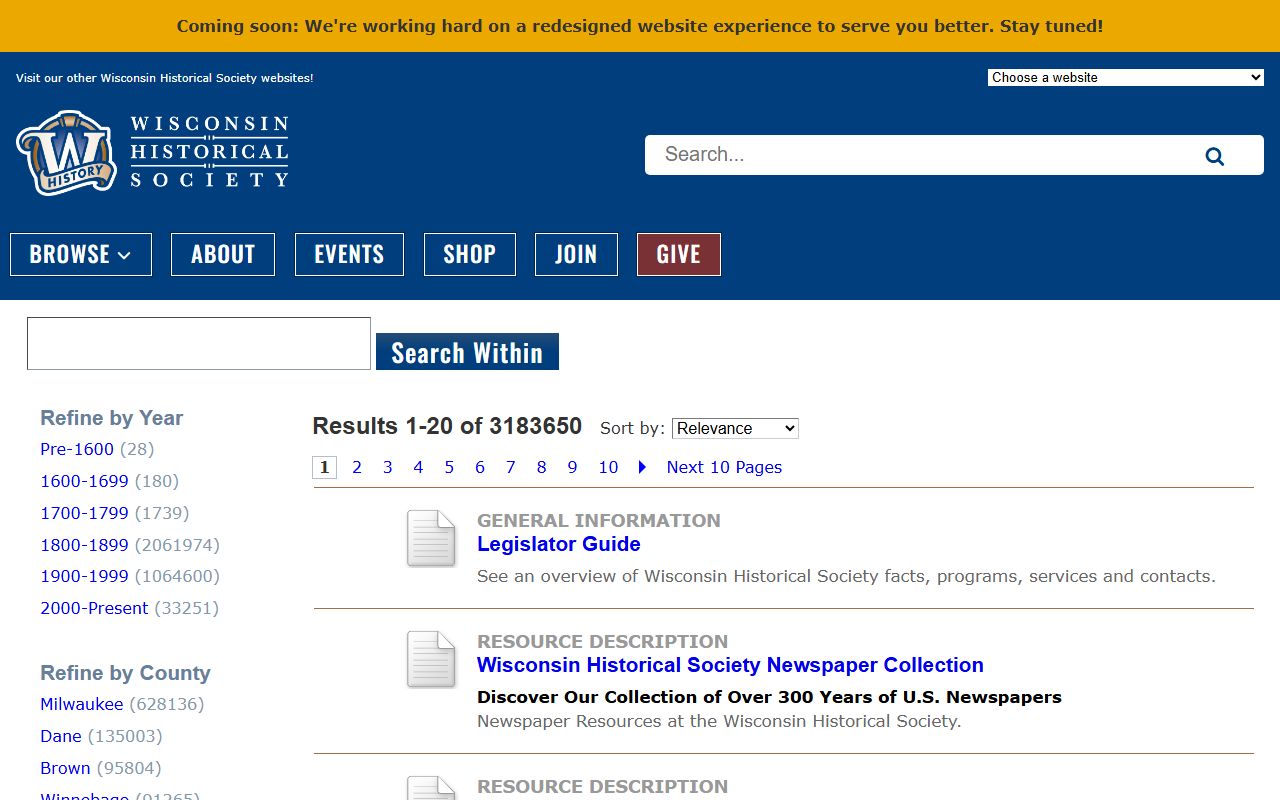
That statewide view helps confirm whether the record should stay with Sheboygan County or be checked against a wider Wisconsin index.
The FamilySearch Sheboygan County guide is also helpful when the same surname appears in several branches. It can point you toward burial clues, family lines, and other local record hints that make the county index easier to use.
Sheboygan County Death Index and State Records
Once a death falls after October 1, 1907, the Wisconsin Department of Health Services becomes the main state office for a Sheboygan County Death Index request. The Wisconsin DHS Vital Records page explains the modern request path, and it is the right handoff point when the county record trail ends and a later certificate is needed.
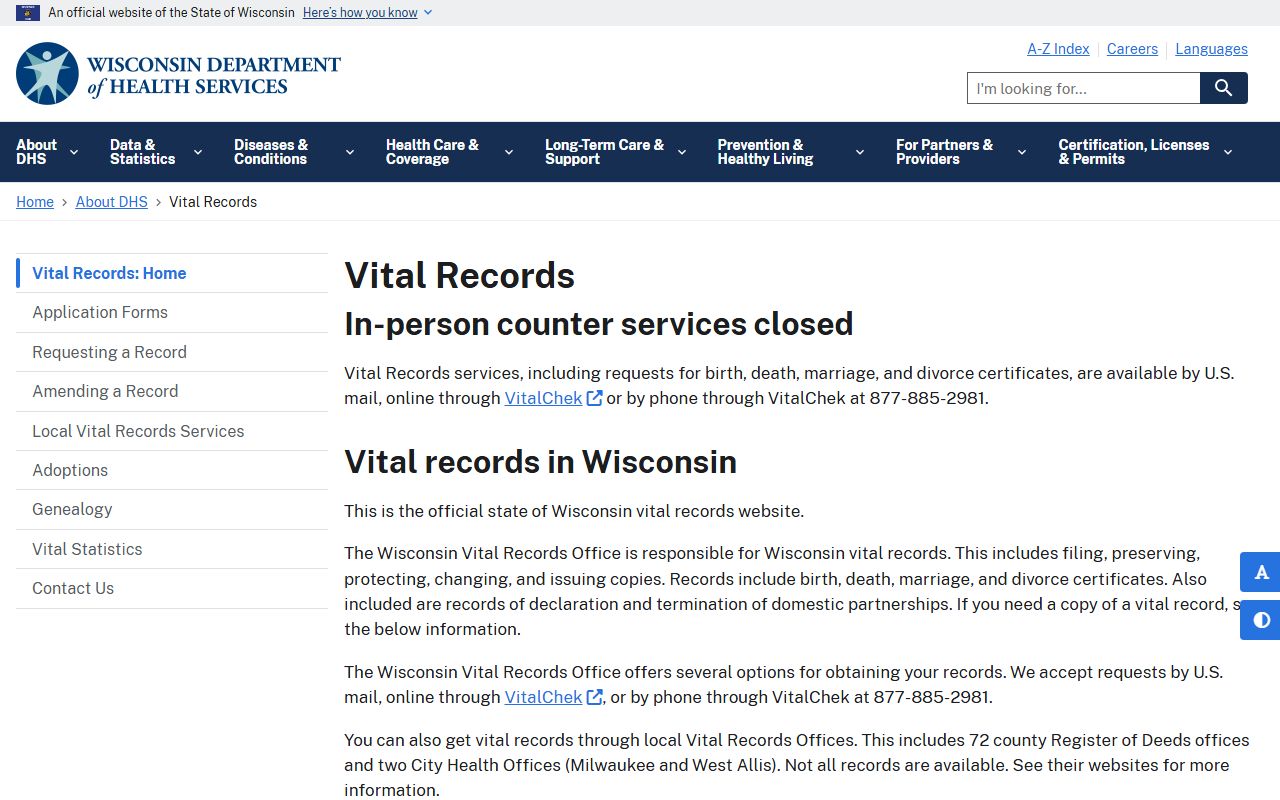
That image marks the state office that handles later death records and certified copies. It is the right follow-up when a Sheboygan County search moves beyond the county-era books.
The state page works best with the rest of Wisconsin's record rules in view. The DHS genealogy page explains in-person research, while Wisconsin Statutes Chapter 69 sets the legal frame for certified copies and access. The Library of Congress Wisconsin guide is a good plain-language companion when you want to confirm the county-versus-state split one more time before you submit a request.
Note: For a Sheboygan County Death Index search, keep 1854 and 1907 together so you do not send an older record to the state office by mistake.
Sheboygan County Death Index Research Help
The Mead Public Library gives Sheboygan County researchers a strong local support point for history and genealogy work. The library can help you build the paper trail around a death record by pointing you toward local history material, family clues, and other records that may explain why a name is hard to match in the county index.

That image fits the local research side of a Sheboygan County Death Index search. It is especially useful when the name is common or when you need one more place clue before you request a copy.
The Sheboygan County Clerk and the Register of Deeds work as the county's two key public contacts, while the FamilySearch Sheboygan County guide can help you compare local clues with family lines. That combination is useful when a death record exists, but the path to it is not obvious yet.
Local history work matters here because Sheboygan County has a mix of shoreline towns, older city neighborhoods, and inland communities that can show up in different record sets. If a family moved between places, the library can help you sort the place names before you ask for a copy. That small step often keeps a Sheboygan County Death Index search from drifting away from the right branch of the family.
Sheboygan County's local history makes those extra steps worthwhile. The county seat in Sheboygan, the courthouse setting, and the early 1854 record run all point to a county with enough depth to reward a careful search. If one source only gives you part of the answer, use the library and the county pages together before you move on.
Sheboygan County Death Index History
Sheboygan County was established in 1836, and that long county history helps explain why the death index begins in 1854 rather than at the start of county government. The record trail is old enough to cover many nineteenth-century families, but it is still narrow enough that a rough year and a good place clue matter a lot. A Sheboygan County Death Index search works best when the county seat, courthouse, and record start date stay in view at the same time.
That history matters because the county kept death records at the local level before the state cutoff in 1907. Older entries belong with the register of deeds, while later certificates move to Wisconsin DHS. If you are working from a burial note, an obituary line, or a family story, the county history tells you where to begin and when to hand the search off to the state system. That keeps the request focused and makes the Death Index easier to use as a record tool instead of a broad guess.
Sheboygan's county seat and courthouse also give the page a clear local anchor. When the search slows down, go back to the county name, the year, and the office that held the record first. That simple frame is usually enough to turn a vague county clue into a usable Sheboygan County Death Index request.